
Panels & wiring
Aluminum wiring repair
Aluminum wiring repair makes 1960s and 1970s aluminum branch circuits safer by connecting copper pigtails at every outlet, switch and splice with connectors listed for aluminum-to-copper connections, or by replacing the wiring entirely.
- Call now to check electrician availability in your area
- Licensed, independent electricians
- 47 states + DC
About aluminum wiring repair
Single-strand aluminum branch wiring was used in many homes built from about 1965 to 1973. Aluminum expands, contracts and oxidizes differently from copper, so connections at outlets and switches can loosen and overheat.
Accepted remediation methods use connectors specifically listed for joining aluminum and copper, installed at every termination. A full rewire is the other option. Standard twist-on wire connectors are not a proper fix for aluminum-to-copper joints.
- Aluminum Wiring Repair at a glance
- Panels & wiring
- Who does the work
- An independent licensed electrician
- Urgent calls
- Usually scheduled
- Typical first step
- Confirm aluminum branch circuits
Signs you need this
- A home built in the mid-1960s to early 1970s
- "AL" or "Aluminum" printed on cable jackets in the attic or panel
- Warm outlet or switch plates
- Flickering lights or outlets that work intermittently
- An insurer or inspector asking about aluminum wiring
What the electrician does
- 1
Confirm aluminum branch circuits
The electrician inspects the panel and sample devices to confirm the wiring type.
- 2
Choose the method
Pigtailing with listed connectors at every termination, or replacing circuits.
- 3
Work room by room
Every outlet, switch, fixture and junction box is remediated.
- 4
Document the work
A permit and documentation help with insurance and resale.
What affects the cost
Electricians set their own prices. These are the factors that move a quote up or down, so you can compare like for like.
- Number of outlets, switches and splices
- Connector type used
- Partial versus full rewire
- Access to junction boxes
- Permit requirements
What you can do safely, and when to stop
Safe to do
- ✓ Note any warm or discolored outlets
Stop and call
- ✕ Do not use standard twist-on connectors on aluminum
- ✕ Do not replace devices with ones not rated for aluminum
Aluminum Wiring Repair FAQ
Is aluminum wiring dangerous?
Aluminum branch wiring is associated with a higher risk of overheated connections. Proper remediation or replacement addresses the risk.
Do I have to rewire the whole house?
Not necessarily. Pigtailing every connection with listed aluminum-to-copper connectors is an accepted alternative to a full rewire.
Is the large aluminum wire to my range or service a problem?
Stranded aluminum feeders for large appliances and service entrances are still widely used and are a different issue from small-gauge branch wiring.
Will insurers cover a home with aluminum wiring?
Some require remediation first. Documentation of the repair method helps.
How long does aluminum wiring remediation take?
Often one to a few days, depending on the number of connections.
Where electricians offer this
Available through our network in 47 states and DC. Metro guides:
Related services
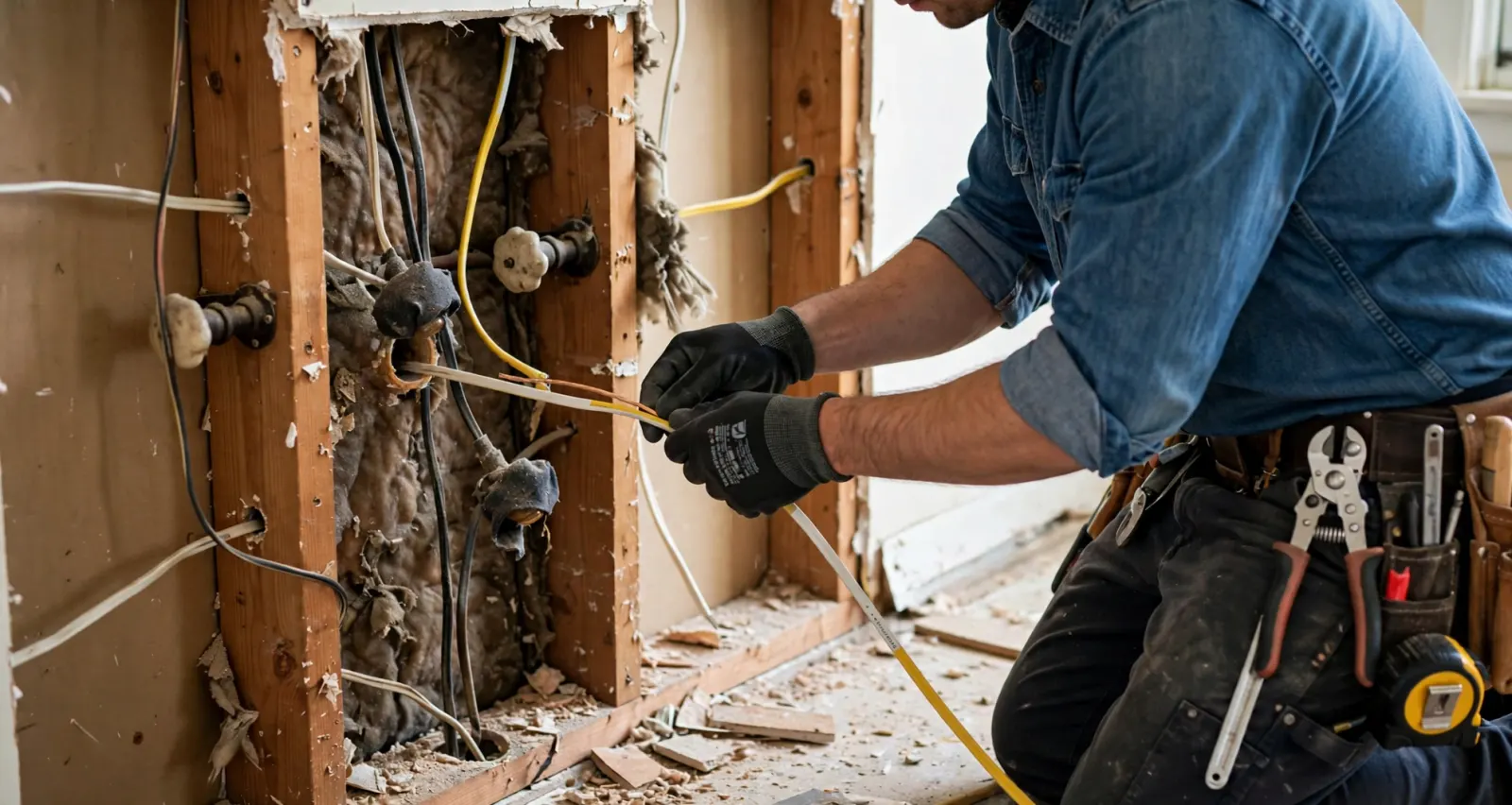
Home Rewiring
Rewiring replaces old branch-circuit wiring, such as knob-and-tube, ungrounded cloth-insulated cable or 1960s–70s aluminum branch wiring, with modern grounded copper cable.
Learn more →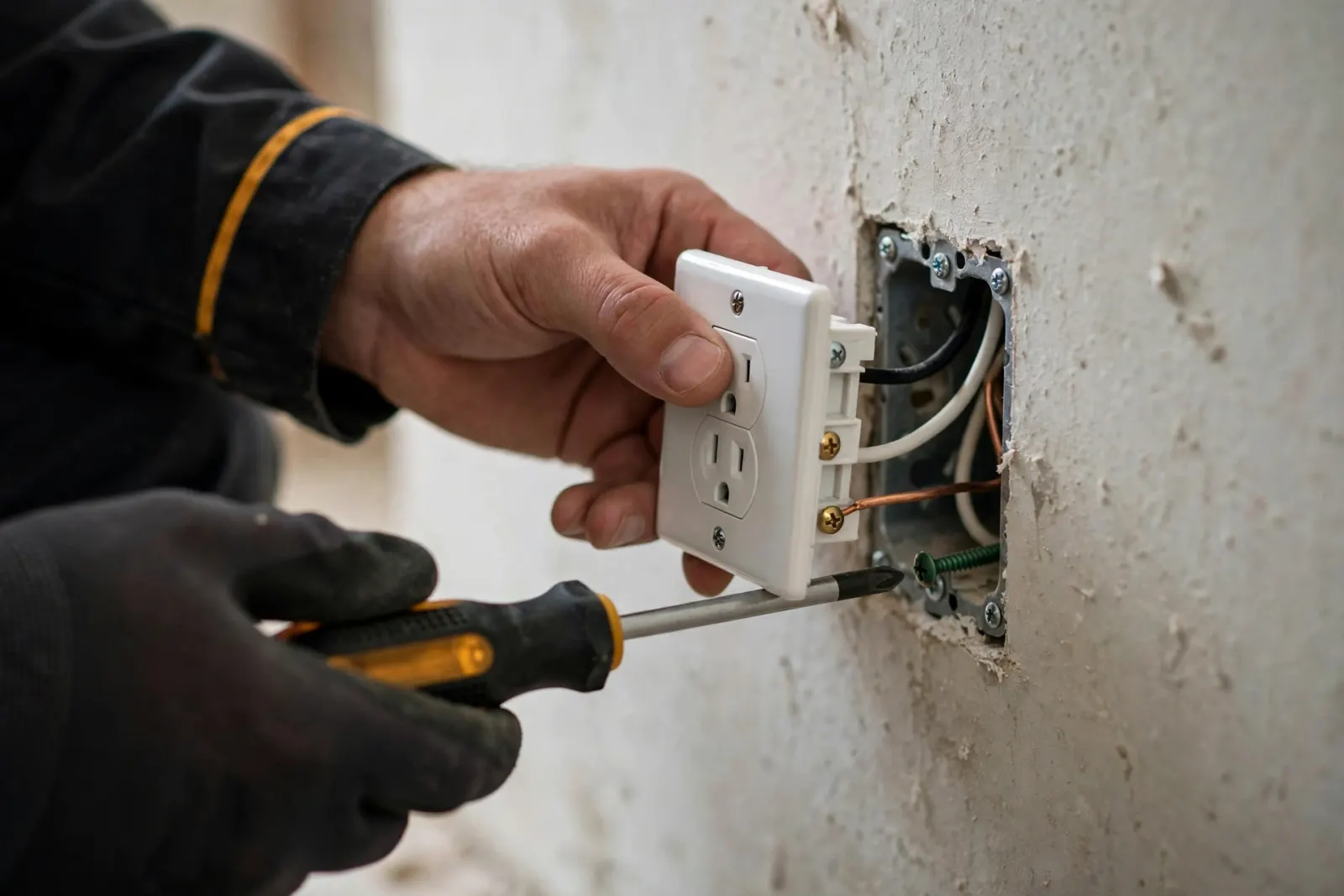
Outlet & Switch Repair
Replace any outlet that is loose, cracked, scorched or warm, and any switch that crackles or feels hot.
Learn more →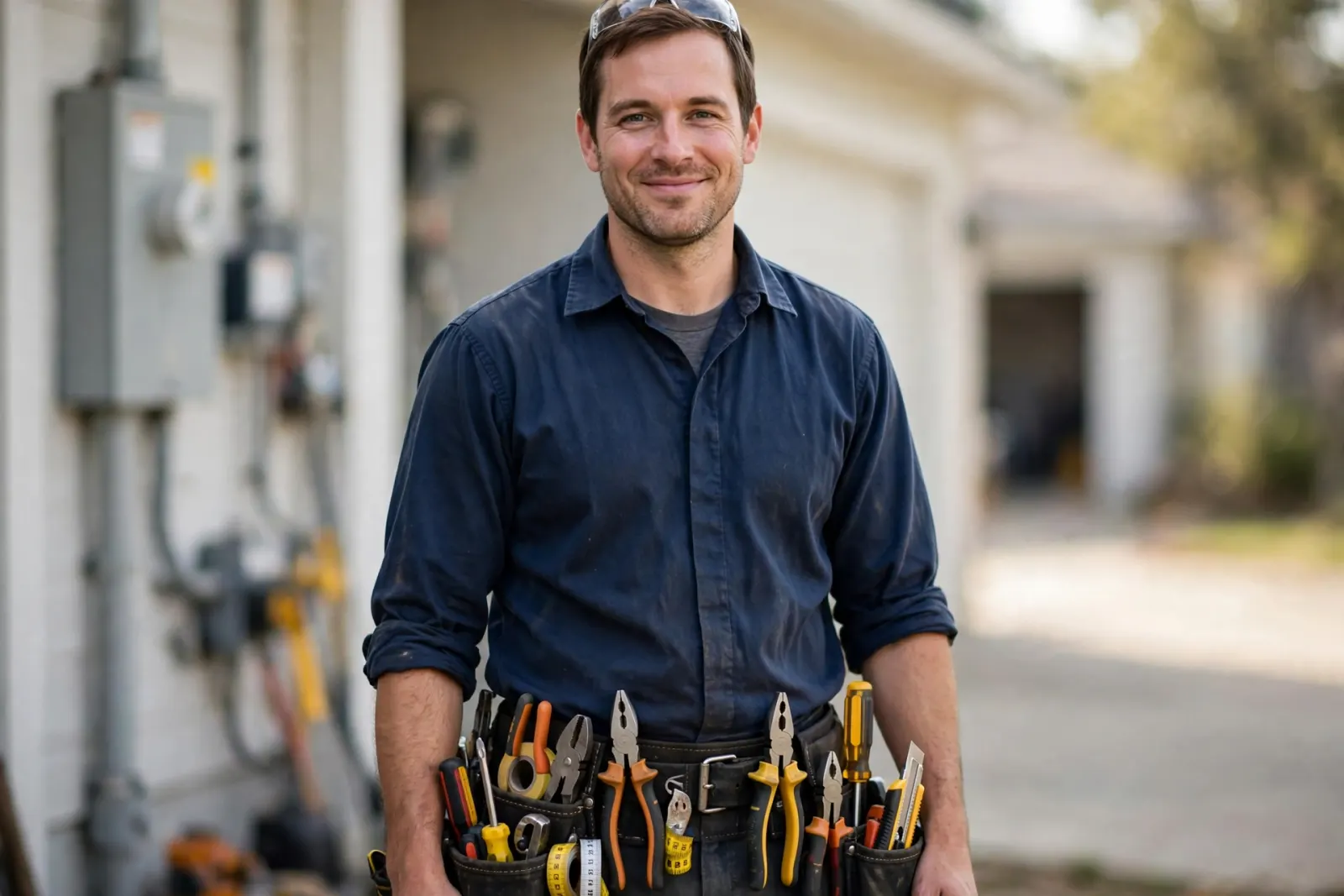
Electrical Safety Inspection
An electrical safety inspection is a hands-on check of the panel, wiring, grounding, devices and protection by a licensed electrician.
Learn more →Need help with aluminum wiring repair?
Call now, or send a request and a licensed electrician who serves your ZIP code will contact you.