
Repair & troubleshooting
Circuit breaker replacement
Circuit breaker replacement swaps a failed, overheating or wrong-type breaker for a new one listed for your panel, after the electrician confirms the breaker, not the circuit, is the problem.
- Call now to check electrician availability in your area
- Licensed, independent electricians
- 47 states + DC
About circuit breaker replacement
Breakers can wear out, overheat at loose connections, or fail to reset. But a breaker that keeps tripping is usually doing its job, protecting an overloaded or faulty circuit, so the first step is diagnosis rather than swapping parts.
Replacement breakers must be the type listed for the panel; mixing brands is not allowed unless the breaker is specifically classified for that panel. Replacing a breaker is also a chance to add AFCI or GFCI protection where current code calls for it.
- Circuit Breaker Replacement at a glance
- Repair & troubleshooting
- Who does the work
- An independent licensed electrician
- Urgent calls
- Usually scheduled
- Typical first step
- Diagnose the circuit
Signs you need this
- A breaker that will not reset or trips immediately
- A breaker that feels hot or smells burnt
- A buzzing or crackling breaker
- Visible scorching on a breaker or bus
- A breaker that does not match the panel brand
What the electrician does
- 1
Diagnose the circuit
The electrician checks load, faults and connections to confirm the breaker is at fault.
- 2
Match the breaker
A breaker listed for your panel and rated for the wire is selected.
- 3
Replace and torque
The breaker is installed and connections are tightened to specification.
- 4
Test
The circuit is tested under load.
What affects the cost
Electricians set their own prices. These are the factors that move a quote up or down, so you can compare like for like.
- Breaker type (standard, AFCI, GFCI, dual-function)
- Panel brand availability
- Damage to the bus bar
- Underlying circuit faults found
- Older panels with scarce parts
What you can do safely, and when to stop
Safe to do
- ✓ Reset a tripped breaker once, after unplugging devices
Stop and call
- ✕ Do not keep resetting a breaker that trips immediately
- ✕ Do not open the panel to replace breakers
Circuit Breaker Replacement FAQ
How do I know if a breaker is bad?
A breaker that will not reset, trips with no load, or feels hot may be failing; an electrician can test it.
Can a breaker trip because it is weak?
It can, but most repeated trips are caused by overloads or faults on the circuit.
Can any breaker brand go in my panel?
No. Use breakers listed for your panel or specifically classified for it.
Should I upgrade to an AFCI breaker?
Current code requires AFCI protection on many living-area circuits; an electrician can advise when replacing.
How long does a breaker replacement take?
Often under an hour once the cause is diagnosed.
Where electricians offer this
Available through our network in 47 states and DC. Metro guides:
Related services
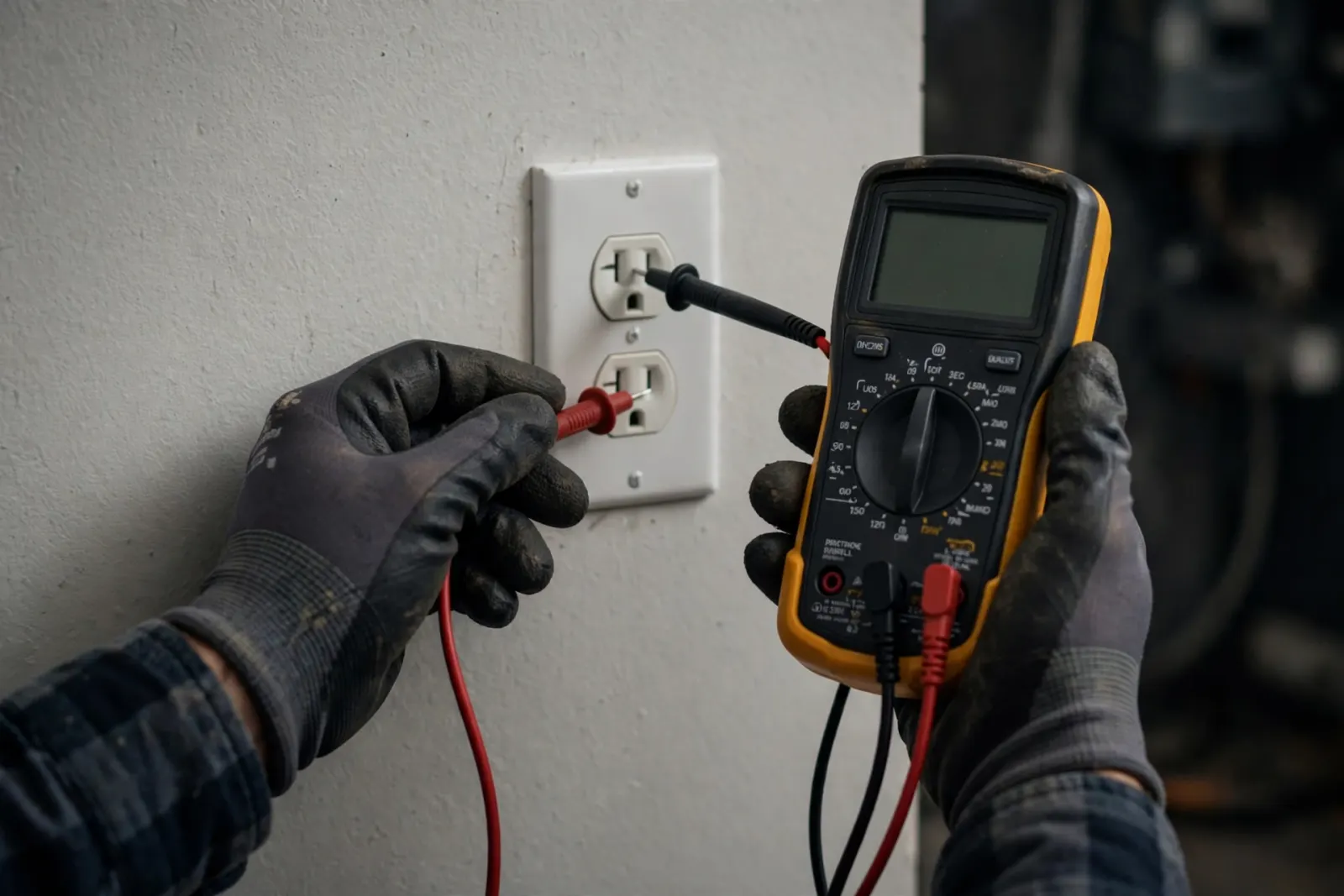
Electrical Repair & Troubleshooting
Dead outlets, flickering lights and tripping breakers usually come from a loose connection, a failed device, an overloaded circuit or a tripped GFCI somewhere upstream.
Learn more →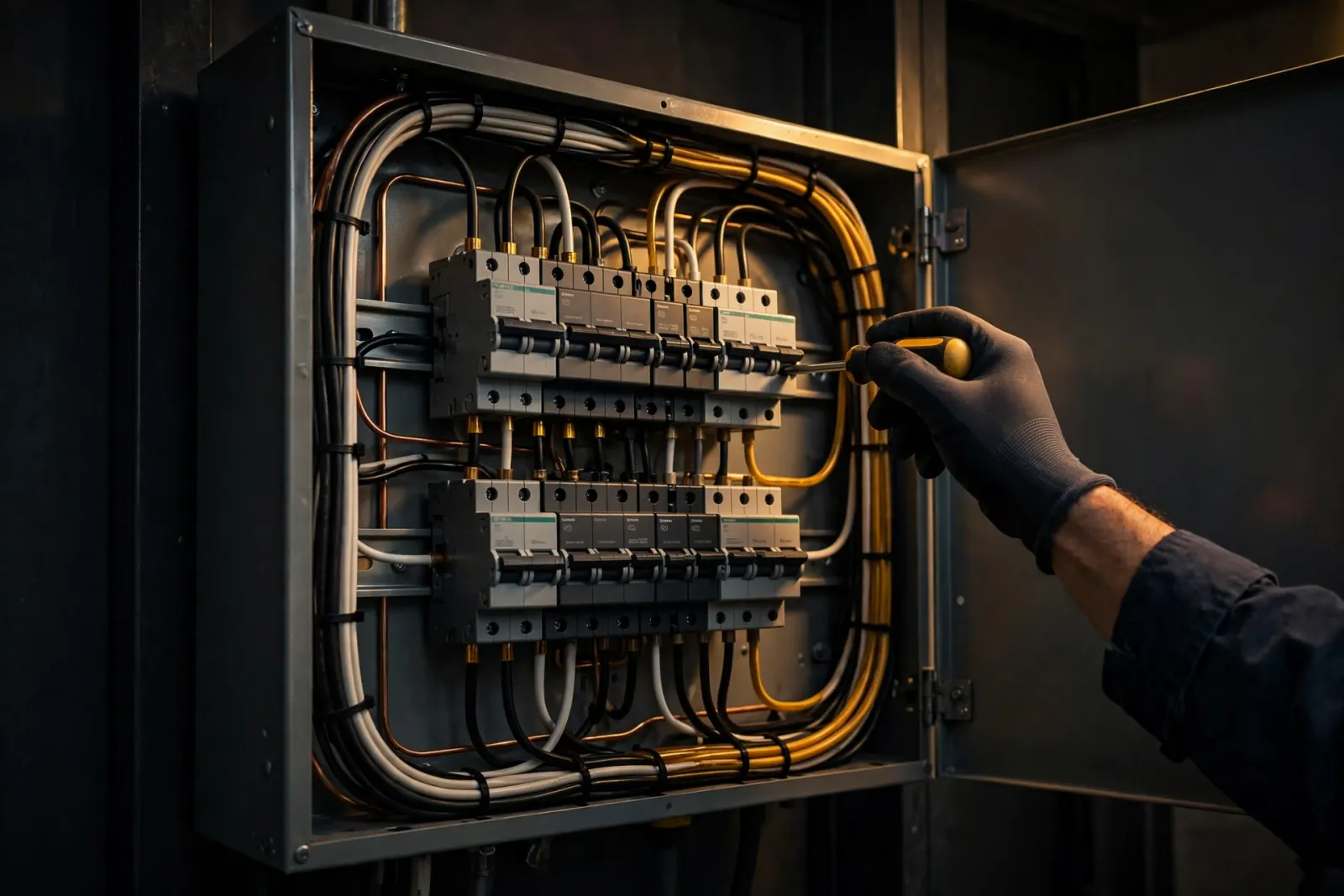
Electrical Panel Upgrade
A panel upgrade replaces your breaker panel, and often the service entrance, so the home can safely carry more load: an EV charger, heat pump, induction range or addition.
Learn more →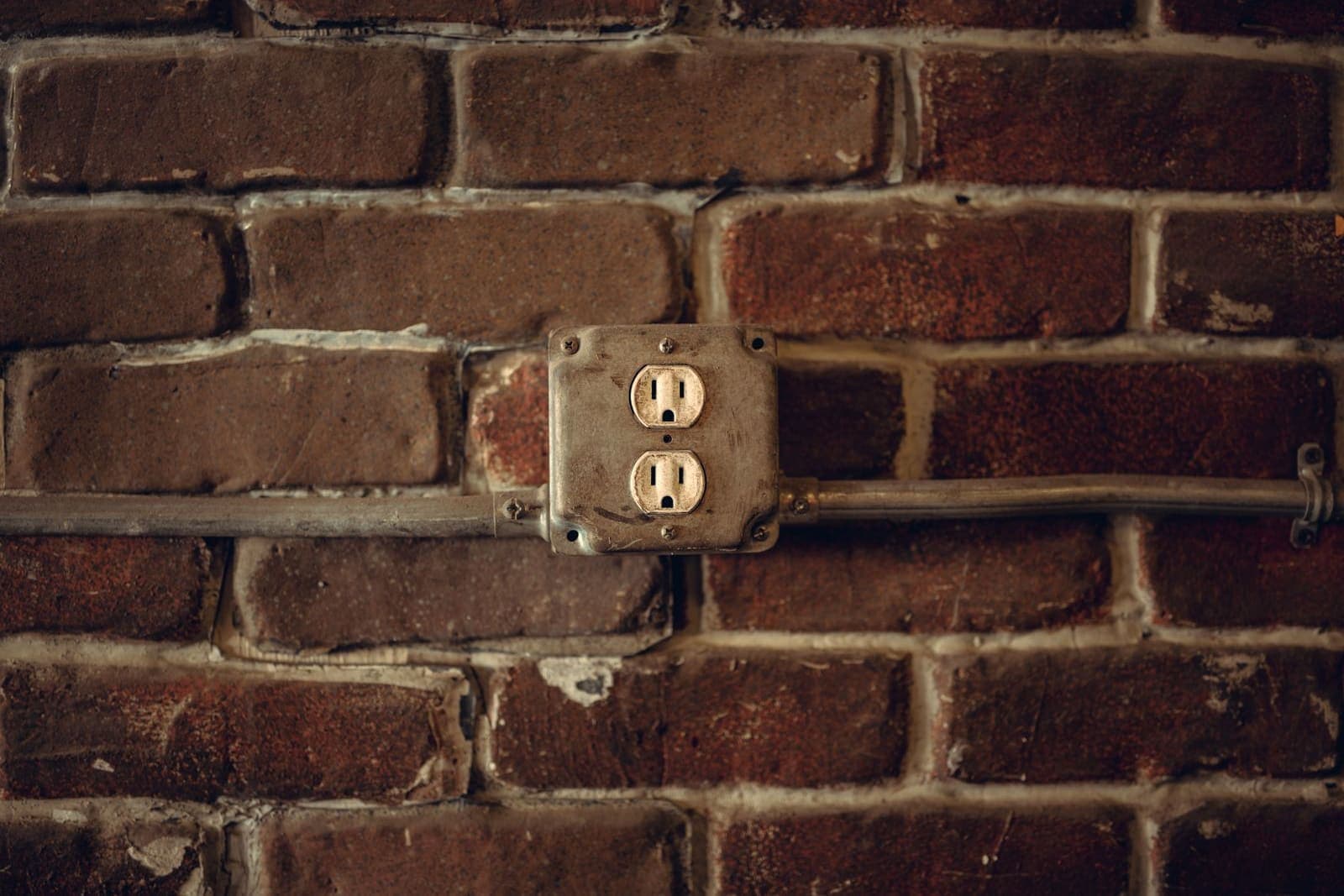
GFCI & AFCI Protection
GFCI devices protect people from shock near water: kitchens, baths, laundry, garages, basements and outdoors.
Learn more →Need help with circuit breaker replacement?
Call now, or send a request and a licensed electrician who serves your ZIP code will contact you.