Panels & wiring
240 volt outlet installation
A 240 volt outlet runs on a dedicated double-pole circuit sized for the appliance, with a matching receptacle such as a NEMA 14-30 for dryers or NEMA 14-50 for ranges and many EV chargers.
- Call now to check electrician availability in your area
- Licensed, independent electricians
- 47 states + DC
About 240 volt outlet installation
Large appliances such as electric dryers, ranges, welders and EV chargers need 240 volts. Each outlet type is rated for a specific current, and the breaker, wire size and receptacle must all match.
Older homes may have three-prong 240 volt outlets (NEMA 10-30 or 10-50) without a separate ground. When an appliance is replaced or a circuit is changed, current code calls for four-wire outlets with a ground.
- 240 Volt Outlet Installation at a glance
- Panels & wiring
- Who does the work
- An independent licensed electrician
- Urgent calls
- Usually scheduled
- Typical first step
- Size the circuit
Signs you need this
- Switching from a gas to an electric dryer or range
- A new EV, welder or kiln
- An old three-prong dryer or range outlet
- A cord that does not match the existing outlet
- Planning a workshop or garage upgrade
What the electrician does
- 1
Size the circuit
The appliance's rating sets the breaker, wire size and outlet type.
- 2
Check panel space
A double-pole breaker needs two spaces and enough service capacity.
- 3
Run the circuit
Cable or conduit is run and the receptacle is installed.
- 4
Test and inspect
Voltage and grounding are tested; a permit inspection follows where required.
What affects the cost
Electricians set their own prices. These are the factors that move a quote up or down, so you can compare like for like.
- Circuit amperage (30, 40, 50 amps)
- Distance from the panel
- Panel space and capacity
- Indoor versus outdoor location
- Permit fees
What you can do safely, and when to stop
Safe to do
- ✓ Check the appliance's plug type and amperage rating
Stop and call
- ✕ Do not use adapters between different 240-volt plug types
- ✕ Do not install a larger breaker than the wire allows
240 Volt Outlet Installation FAQ
Is 220 the same as 240 volts?
Yes, in everyday use; US homes are supplied at about 240 volts, often called 220.
Which outlet does a dryer use?
Most electric dryers use a 30 amp NEMA 14-30 outlet; older homes may have a three-prong 10-30.
Can I plug an EV into a dryer outlet?
Only with a charger and settings rated for that circuit; many EV setups use a NEMA 14-50 on a 50 amp circuit.
How long does a 240-volt outlet take to install?
Often a few hours when the panel is nearby.
Does it need GFCI protection?
Current code requires GFCI protection for many 240-volt outlets, including garages, outdoors and laundry areas.
Where electricians offer this
Available through our network in 47 states and DC. Metro guides:
Related services
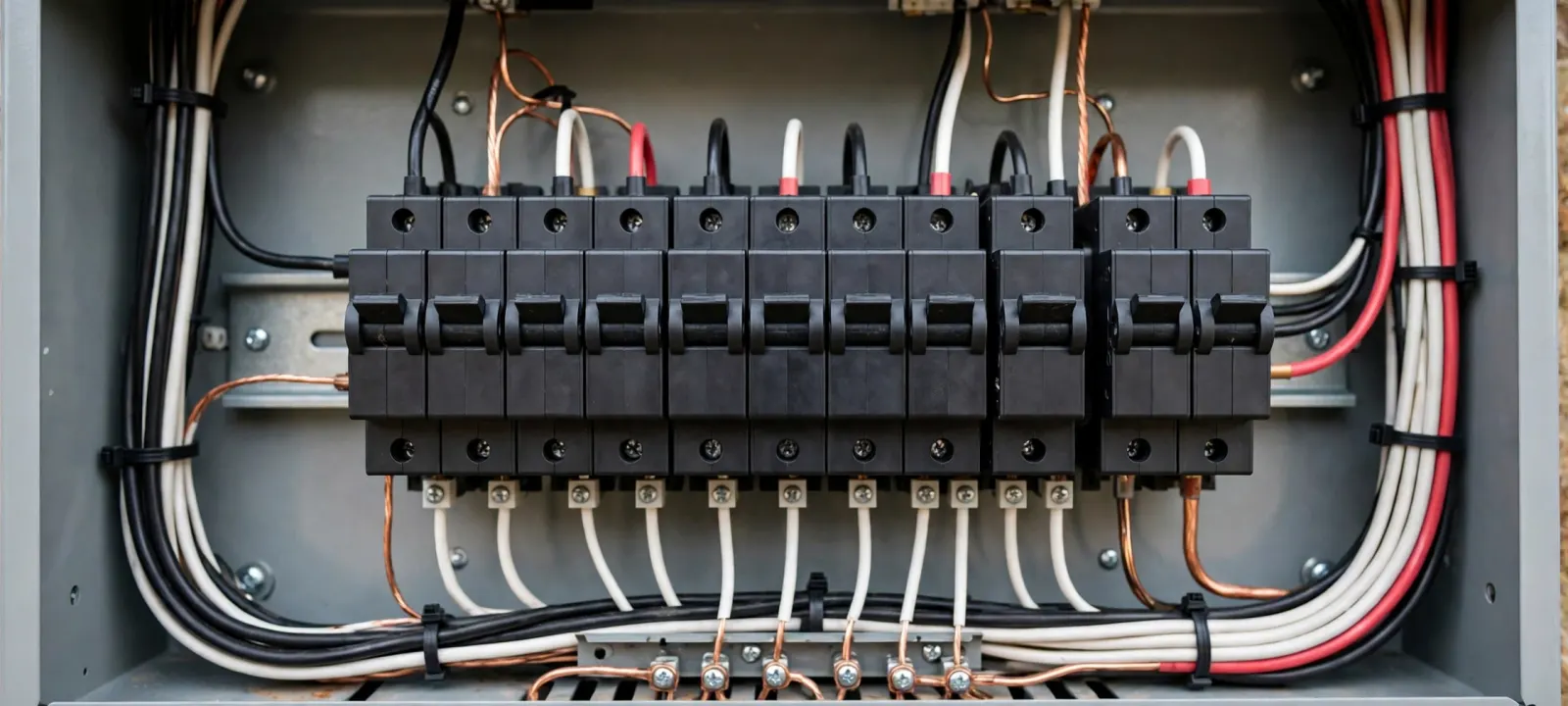
Dedicated Circuits
A dedicated circuit serves one appliance or one heavy-use area so it does not share capacity with anything else.
Learn more →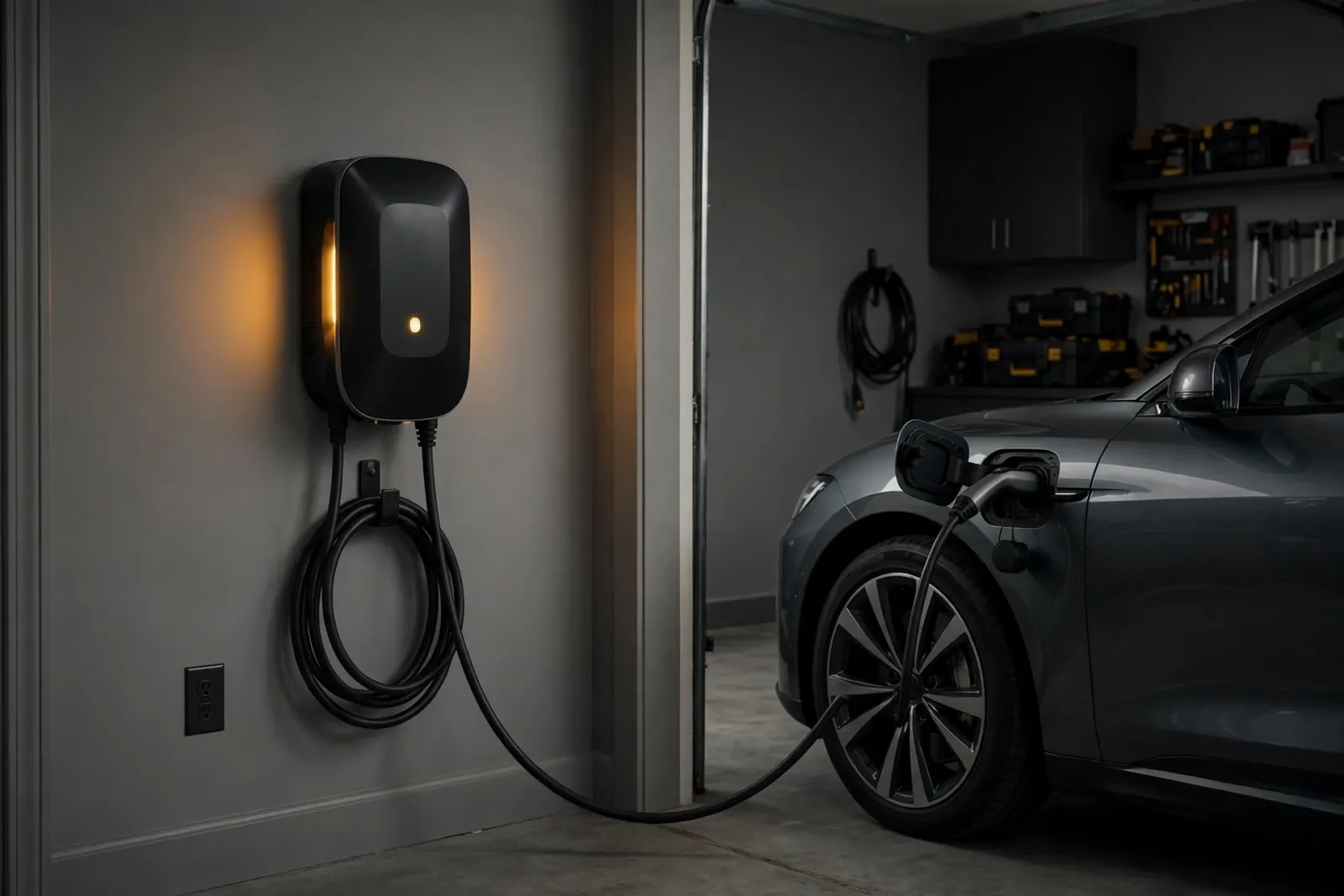
EV Charger Installation
A Level 2 home charger needs a 240 volt circuit, usually 40 to 60 amps, run from your panel to the garage or driveway.
Learn more →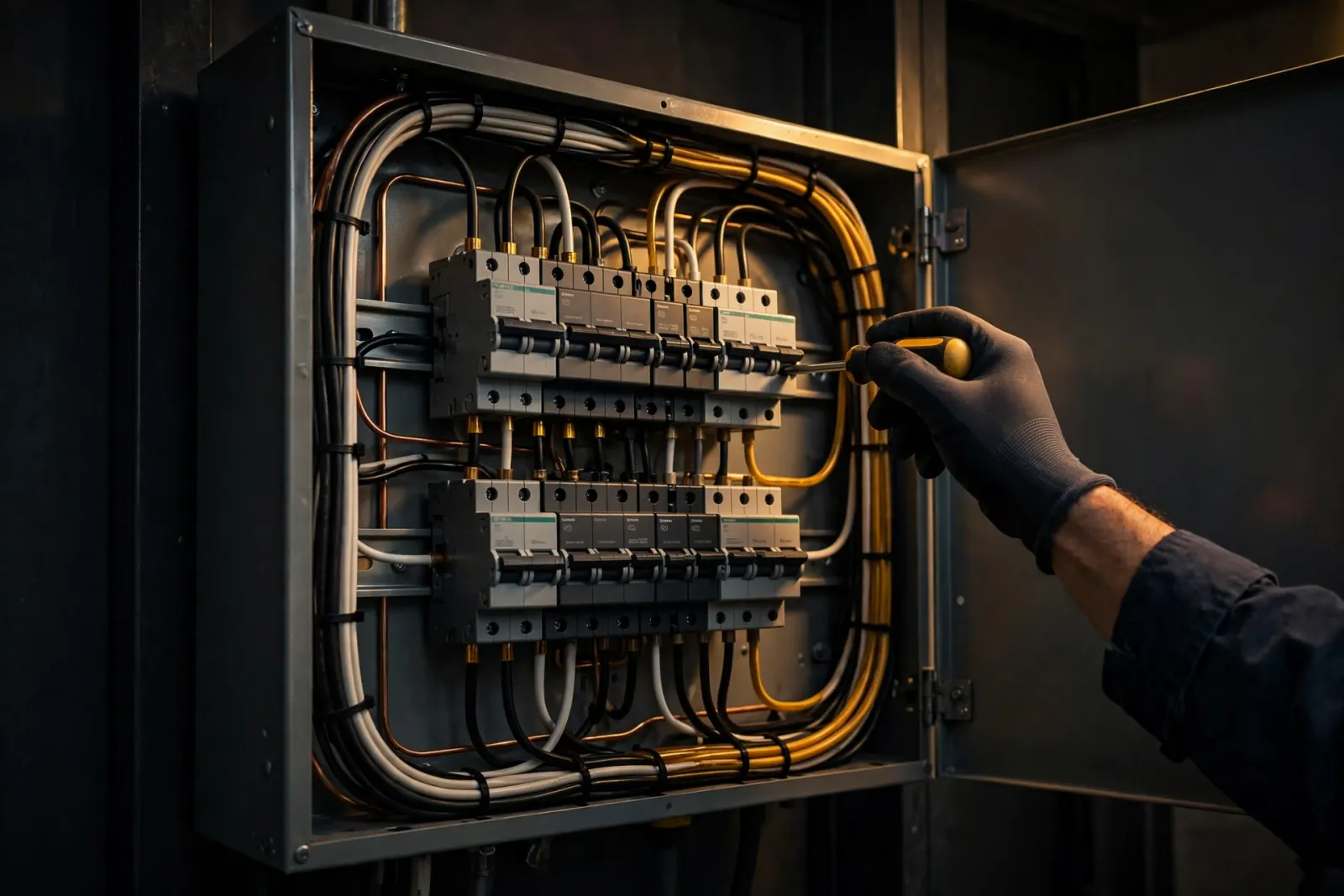
Electrical Panel Upgrade
A panel upgrade replaces your breaker panel, and often the service entrance, so the home can safely carry more load: an EV charger, heat pump, induction range or addition.
Learn more →Need help with 240 volt outlet installation?
Call now, or send a request and a licensed electrician who serves your ZIP code will contact you.