Skip to content

Nationwide · Licensed electricians in 47 states + DC

Brightlane Electric

EV Charger Installation · Colorado

EV Charger Installation in Colorado

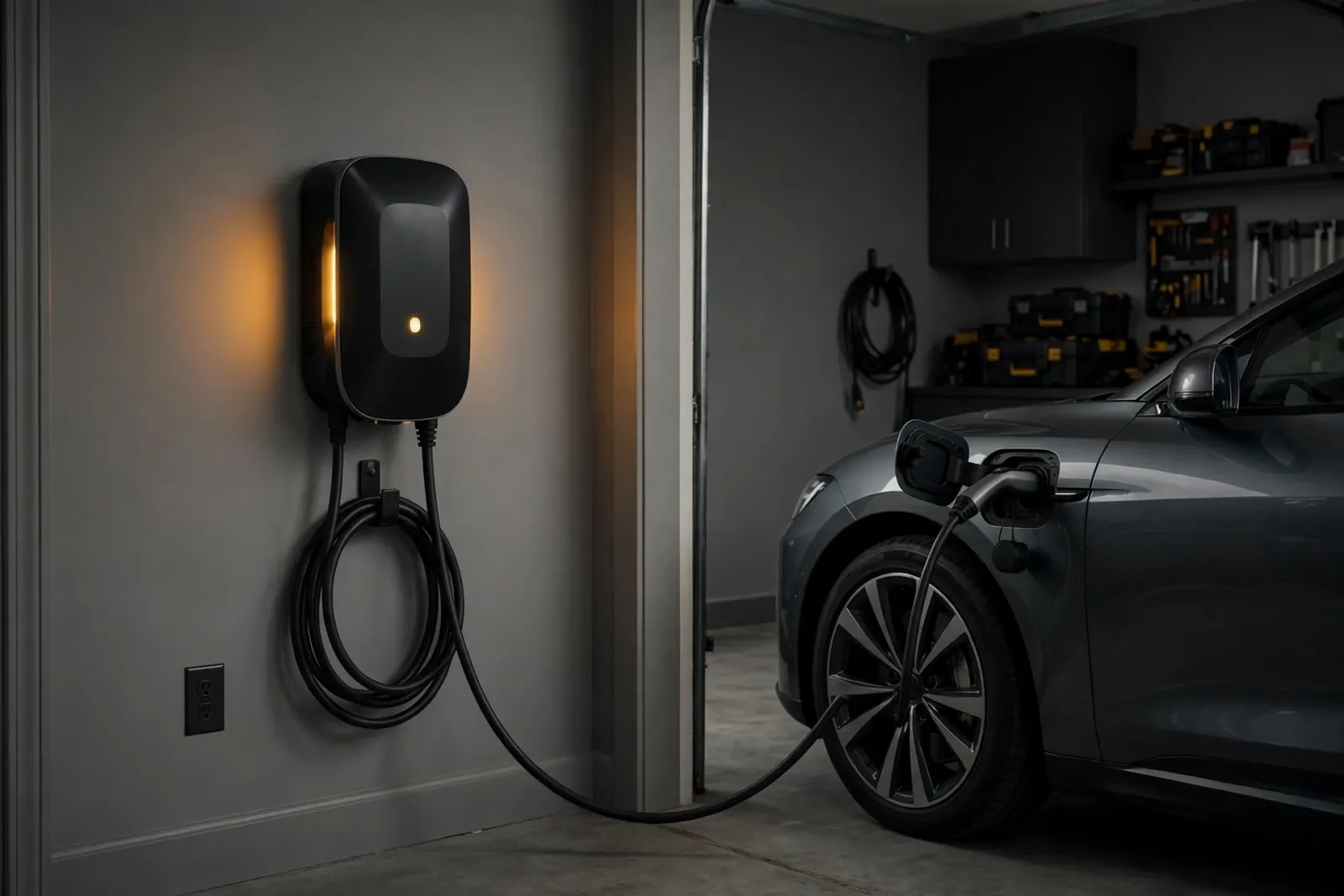
A Level 2 home charger needs a 240 volt circuit, usually 40 to 60 amps, run from your panel to the garage or driveway. The electrician checks whether your service can carry the load, pulls the permit and installs either a hardwired charger or a NEMA 14-50 outlet.

  • Call now to check electrician availability in your area
  • Independent, licensed electricians
  • Local guides for 2 Colorado cities

EV Charger Installation in Colorado: what changes city to city

Hail and lightning on the Front Range, heavy snow in the mountains and a fast-growing EV fleet shape most electrical calls.

Across the Mountain West, homes deal with dry air, large temperature swings, wildfire seasons and heavy snow at elevation. Permit offices, utilities and housing stock differ by city, which affects how ev charger installation is planned and scheduled. These local guides cover the Colorado cities where we have written specific notes.

Local guides in Colorado

EV Charger Installation in Denver, CO

Colorado has one of the faster-growing EV markets in the country, and Denver home charging installs are a steady request. Many older bungalows have 100 amp services, so a load calculation decides whether the charger fits as-is, needs a lower amperage setting or a load-management device, or requires a service upgrade.

Utility: Xcel Energy

EV Charger Installation in Colorado Springs, CO

Colorado's EV adoption has grown quickly, and Level 2 home chargers are a common request in Colorado Springs, from newer Briargate homes to older central neighborhoods. Newer homes often have panel space but limited capacity once other loads are counted, while older homes may need a service upgrade.

Utility: Colorado Springs Utilities (city-owned)

Signs it's time to call

  • You bought or ordered an EV
  • Charging from a regular outlet is too slow
  • Two EVs in one household
  • A new garage or driveway parking spot

How the job usually goes

  1. 1. Site and load check

    Panel capacity, distance and mounting location are confirmed.

  2. 2. Permit

    The installation is permitted; rebates may require the permit number.

  3. 3. Install

    The 240V circuit and charger or receptacle are installed and tested.

  4. 4. Inspection

    The local inspector signs off.

What moves the price

Electricians set their own prices; local permit fees and utility requirements add to these factors.

  • Charger amperage
  • Distance from panel to charger
  • Indoor versus outdoor or detached garage
  • Whether a panel upgrade or load management device is needed
  • Permit fees and available rebates

EV Charger Installation in Colorado: questions

Who issues permits for ev charger installation in Colorado?

Permits come from the city or county where the home is. For example: Denver: Electrical permits in Denver are issued by Community Planning and Development; surrounding cities have their own building departments. Colorado Springs: Electrical permits in Colorado Springs and El Paso County come from the Pikes Peak Regional Building Department, which serves the city and much of the region.

Which utilities are involved in Colorado?

Denver: Xcel Energy. Colorado Springs: Colorado Springs Utilities (city-owned).

Do I need a panel upgrade for an EV charger?

Not always. A load calculation shows whether the existing service can carry the charger; load management devices can avoid an upgrade in some homes.

Hardwired or plug-in charger?

Hardwired is often preferred for higher amperage and outdoor locations. A plug-in charger on a NEMA 14-50 outlet is easier to replace.

More electrical help in Colorado

EV Charger Installation in other states

Need ev charger installation in Colorado?

Call now, or send a request and a licensed electrician who serves your ZIP code will contact you.

Call nowRequest service