
Skip to content

Nationwide · Licensed electricians in 48 states + DC

Brightlane Electric

Smoke & CO Detector Installation · Ohio

Smoke & CO Detector Installation in Ohio

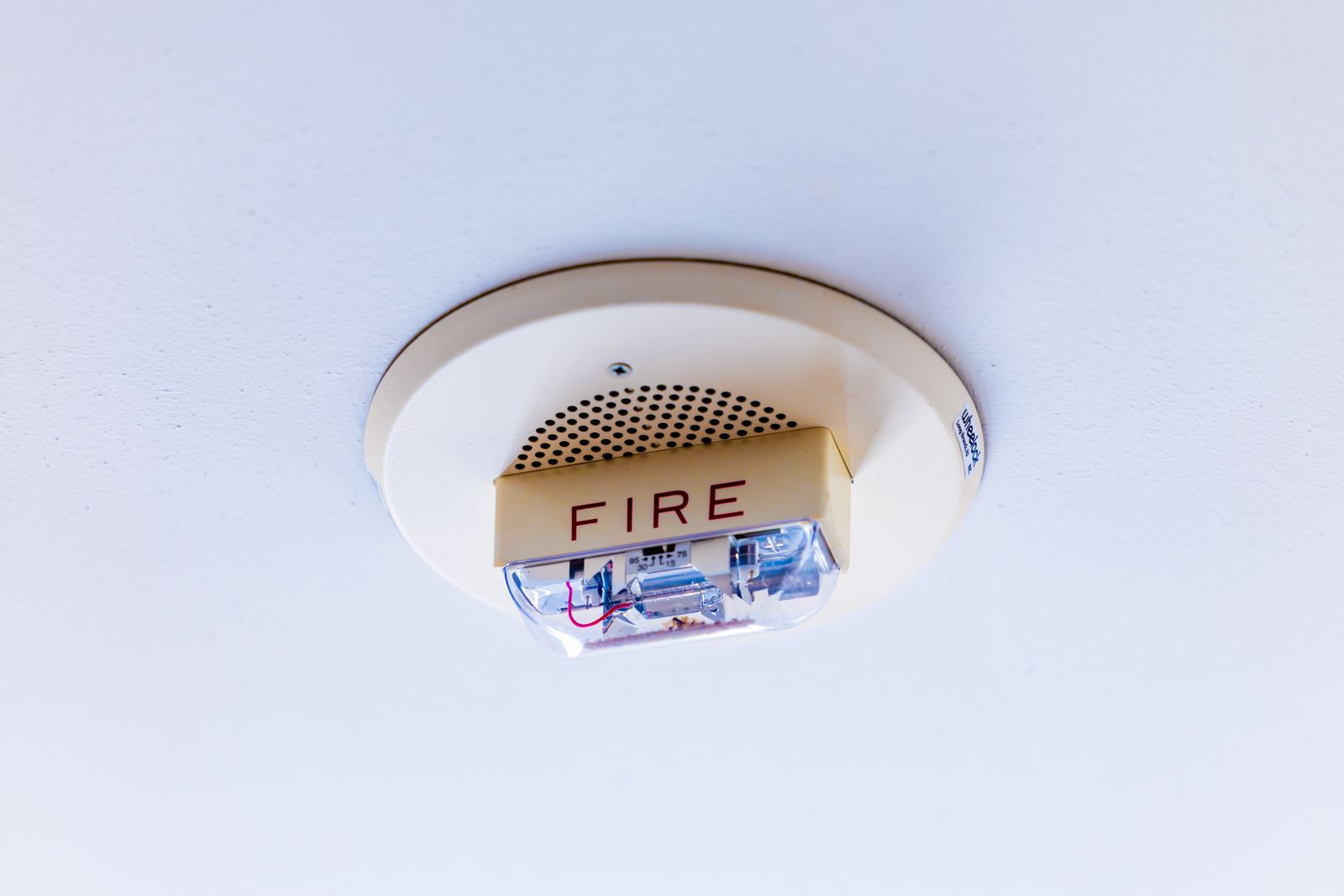
Hardwired smoke alarms should be replaced about every 10 years, and interconnected so one alarm sounds them all. Homes with gas appliances or an attached garage also need carbon monoxide alarms. An electrician installs new hardwired alarms and adds interconnection.

  • Call now to check electrician availability in your area
  • Independent, licensed electricians
  • Local guides for 6 Ohio cities

Smoke & CO Detector Installation in Ohio: what changes city to city

Older city neighborhoods in Cleveland, Columbus and Dayton carry aging wiring, and storms bring outages.

Across the Midwest, homes deal with cold winters, severe thunderstorms and tornado season. Permit offices, utilities and housing stock differ by city, which affects how smoke & co detector installation is planned and scheduled. These local guides cover the Ohio cities where we have written specific notes.

Local guides in Ohio

Smoke & CO Detector Installation in Columbus, OH

Ohio requires smoke detectors in homes, and Columbus rentals near Ohio State in the University District and Weinland Park must have working alarms for tenants, often many to a house. Gas furnaces and water heaters make carbon monoxide alarms near bedrooms important.

Utility: AEP Ohio

Smoke & CO Detector Installation in Cleveland, OH

Ohio requires smoke detectors in homes, and carbon monoxide alarms are important wherever there are gas furnaces, boilers, water heaters or attached garages, which describes most Cleveland houses. In two-family homes, common in neighborhoods like Tremont and Slavic Village, each unit needs its own alarms.

Utility: Cleveland Public Power (city-owned) or The Illuminating Company (CEI), depending on address

Smoke & CO Detector Installation in Cincinnati, OH

In Cincinnati, gas furnaces, boilers and water heaters are standard in older homes, so carbon monoxide alarms near bedrooms matter as much as the smoke detectors Ohio requires. Cincinnati's Over-the-Rhine buildings and multi-family homes in Clifton and Northside need alarms in each unit.

Utility: Duke Energy Ohio

Smoke & CO Detector Installation in Dayton, OH

Ohio requires smoke detectors in homes, and Dayton's Oregon District, St. Anne's Hill and Dayton View homes, many from the late 1800s, often have gas boilers and furnaces that make carbon monoxide alarms near bedrooms important. Rentals near the University of Dayton must have working alarms for tenants.

Utility: AES Ohio

Smoke & CO Detector Installation in Toledo, OH

Ohio requires smoke detectors in homes, and carbon monoxide alarms are important in Toledo houses with gas furnaces, boilers, water heaters or attached garages. Large Old West End homes converted to apartments need alarms in each unit, and landlords must keep them working.

Utility: Toledo Edison (FirstEnergy)

Smoke & CO Detector Installation in Akron, OH

Akron's Goodyear Heights and Firestone Park were built as company neighborhoods in the 1910s and 1920s, and many of these frame homes still have only battery smoke alarms, often past their date. Ohio requires smoke detectors in homes, and gas furnaces and water heaters make carbon monoxide alarms near bedrooms important.

Utility: Ohio Edison (FirstEnergy)

Signs it's time to call

  • Alarms older than 10 years
  • Chirping that continues after a battery change
  • Alarms that do not sound together
  • Gas appliances without CO alarms

How the job usually goes

  1. 1. Check existing alarms

    Ages, locations and wiring are checked.

  2. 2. Replace and interconnect

    New alarms are installed in each bedroom, outside sleeping areas and on each level.

  3. 3. Test

    Every alarm is tested together.

What moves the price

Electricians set their own prices; local permit fees and utility requirements add to these factors.

  • Number of alarms
  • Hardwired versus wireless interconnect
  • New wiring needed
  • Combination smoke/CO units

Smoke & CO Detector Installation in Ohio: questions

Who issues permits for smoke & co detector installation in Ohio?

Permits come from the city or county where the home is. For example: Columbus: Electrical permits in Columbus come from the Department of Building and Zoning Services; suburbs such as Dublin, Westerville and Upper Arlington run their own building departments. Cleveland: Electrical permits in Cleveland come from the city's Department of Building and Housing; suburbs such as Lakewood and Cleveland Heights run their own building departments. Cincinnati: Electrical permits in Cincinnati come from the city's Department of Buildings and Inspections; other Hamilton County communities have their own. Dayton: Inside city limits, electrical permits come from the City of Dayton's Division of Building Inspection; many surrounding communities, such as Trotwood, use Montgomery County Building Regulations. Toledo: Electrical permits in Toledo come from the city's Division of Building Inspection; surrounding communities issue their own. Akron: Akron projects are filed with both the City of Akron and the Summit County Department of Building Standards, which performs the electrical inspections.

Which utilities are involved in Ohio?

Columbus: AEP Ohio. Cleveland: Cleveland Public Power (city-owned) or The Illuminating Company (CEI), depending on address. Cincinnati: Duke Energy Ohio. Dayton: AES Ohio. Toledo: Toledo Edison (FirstEnergy). Akron: Ohio Edison (FirstEnergy).

How often should smoke detectors be replaced?

About every 10 years from the manufacture date on the back of the alarm.

More electrical help in Ohio

Smoke & CO Detector Installation in other states

Need smoke & co detector installation in Ohio?

Call now and we connect you with a licensed electrician who serves your ZIP code.

Call now