
Skip to content

Nationwide · Licensed electricians in 48 states + DC

Brightlane Electric

Standby Generator Installation · North Carolina

Standby Generator Installation in North Carolina

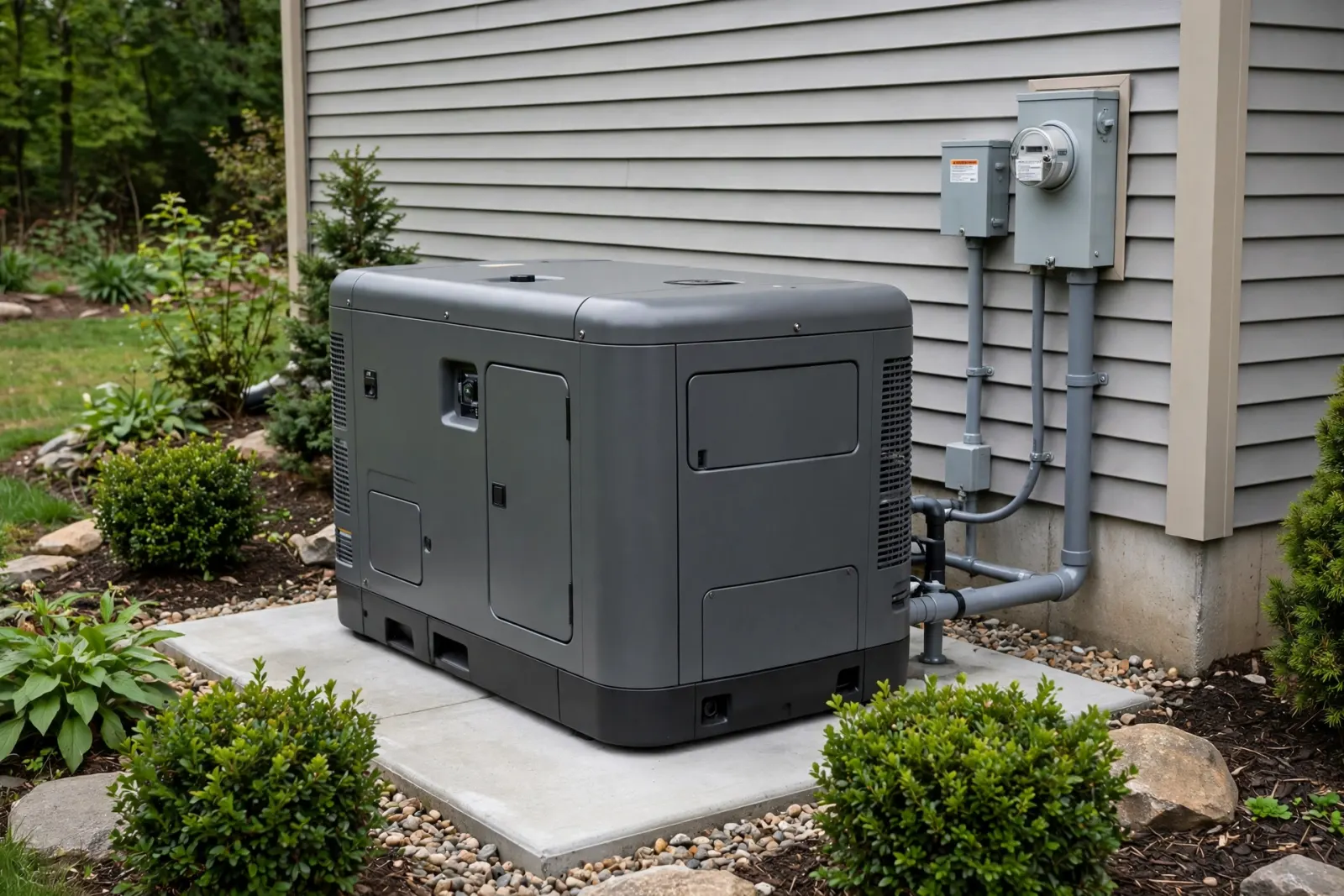
A standby generator is a permanently installed unit, usually fueled by natural gas or propane, that starts on its own when the power goes out and switches your home over through an automatic transfer switch.

  • Call now to check electrician availability in your area
  • Independent, licensed electricians
  • Local notes for 3 North Carolina cities

Standby Generator Installation across North Carolina

Standby Generator Installation in Charlotte, NC

Ice storms in the Piedmont can coat Charlotte's tree canopy and bring down lines across the city, leaving some neighborhoods without power for days. A natural-gas standby generator with an automatic transfer switch is a popular choice for families who work from home or care for relatives, and Piedmont Natural Gas may need to upgrade the gas meter.

Older ranch homes often have 100 or 150 amp panels, sometimes Federal Pacific equipment. New homeowners frequently add EV chargers and generator inlets.

Standby Generator Installation in Raleigh, NC

Raleigh homeowners who remember Hurricane Fran in 1996 or the December 2002 ice storm, when trees came down across the city and outages lasted days, often choose a natural-gas standby generator with an automatic transfer switch. Dominion Energy North Carolina, formerly PSNC, may need to upgrade the gas meter for a whole-house unit.

Older in-town homes may carry original or patched wiring, while mid-century ranches often have panels with little spare space. Rapid growth brings steady demand for EV chargers, generator hookups and circuits for additions.

Standby Generator Installation in Wilmington, NC

After Hurricane Florence cut Wilmington off by road for days in 2018 and left most homes without power, many families added standby generators with automatic transfer switches, sized to run central air. Near Wrightsville Beach, Carolina Beach and the Cape Fear River, units should sit on raised platforms above flood levels, in enclosures built for salt air and anchored against wind.

Historic homes can have knob-and-tube or cloth wiring, and humidity and termites can damage old insulation. Mid-century homes may have panels insurers question, and coastal homes face salt air.

What standby generator installation involves

Unlike a portable generator, a standby unit sits on a pad outside the home, runs a self-test each week, and takes over within seconds of an outage without anyone being home. It can power selected circuits or, if sized for it, the whole house including central air.

Installation combines electrical, fuel and site work: an automatic transfer switch at or near the panel, a gas line or propane tank sized for the unit, and a placement that meets the manufacturer's and local code clearances from windows, doors and property lines.

Signs to look for

  • Outages that last a day or more in your area
  • Medical equipment, sump pumps or home offices that cannot lose power
  • No one home to set up a portable generator during storms
  • Wanting central air or heat to run during outages
  • Natural gas already at the home

What moves the price

  • Generator size in kilowatts
  • Whole-house versus essential-circuit transfer switch
  • Distance from the panel and gas meter
  • Gas meter or propane tank upgrades
  • Pad, placement and HOA or flood-elevation requirements
  • Permits and gas work

Standby Generator Installation in North Carolina: questions

Where in North Carolina is standby generator installation common?

Our local notes cover Charlotte, Raleigh, Wilmington. Ice storms in the Piedmont can coat Charlotte's tree canopy and bring down lines across the city, leaving some neighborhoods without power for days.

Who issues permits for standby generator installation in North Carolina?

The city or county building department where the home is. Charlotte: Electrical permits in Charlotte and the rest of Mecklenburg County are issued by Mecklenburg County Code Enforcement. Raleigh: Inside city limits, electrical permits come from the City of Raleigh's development services; other Wake County towns issue their own. Wilmington: Electrical permits inside city limits come from the City of Wilmington's permitting office; New Hanover County handles unincorporated areas.

What size standby generator do I need?

It depends on what you want to run. Essential circuits may need a smaller unit; whole-house backup with central air needs more. A load calculation decides.

Standby or portable generator?

A portable generator with an inlet and interlock costs less but has to be set up and refueled by hand. A standby unit starts and switches over by itself.

Can a standby generator run on propane?

Yes. Most run on natural gas or propane; the fuel supply must be sized for the unit.

Related help in North Carolina

Need standby generator installation in North Carolina?

Call now and we connect you with a licensed electrician who serves your ZIP code.

Call now