Repair & troubleshooting
Electrical repair and troubleshooting
Dead outlets, flickering lights and tripping breakers usually come from a loose connection, a failed device, an overloaded circuit or a tripped GFCI somewhere upstream. An electrician tests the circuit to find the exact point of failure instead of replacing parts at random.
- Call now to check electrician availability in your area
- Licensed, independent electricians
- 47 states + DC
About electrical repair & troubleshooting
A single tripped GFCI in a garage or bathroom can kill power to outlets in three other rooms, so the first thing to check is every GFCI reset button in the house. If that does not bring the power back, the cause is somewhere a homeowner usually cannot see: a back-stabbed connection that has loosened, a broken wire nut in a box, or a breaker that has worn out.
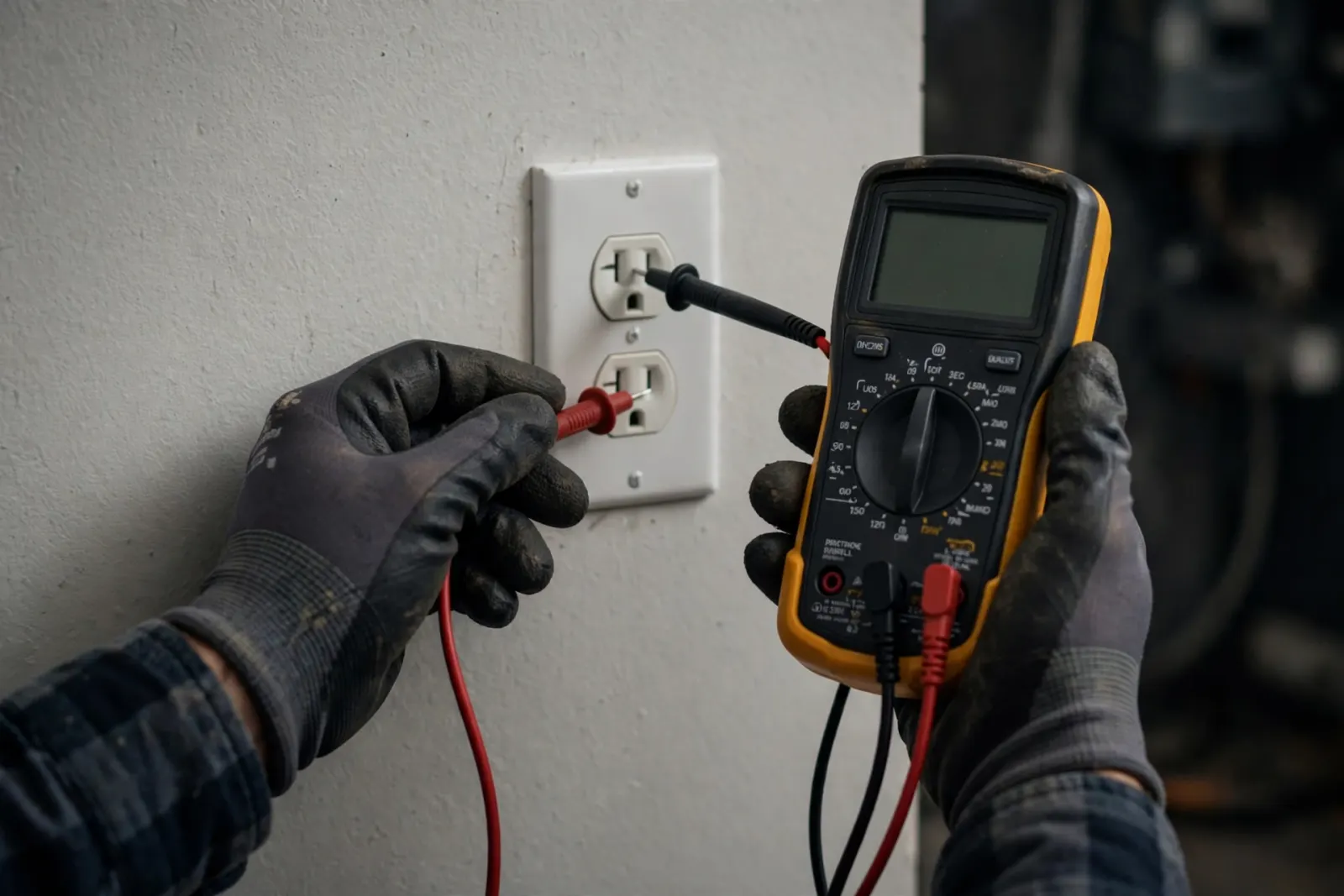
Electricians troubleshoot by measuring, not guessing. Voltage and continuity testing tell them where power stops, and that tells them which box to open. The repair is usually small once the fault is found.
- Electrical Repair & Troubleshooting at a glance
- Repair & troubleshooting
- Who does the work
- An independent licensed electrician
- Urgent calls
- Yes, call for same-day help when available
- Typical first step
- Listen and check the easy causes
Signs you need this
- One or more outlets dead with no tripped breaker
- Lights that flicker or dim when appliances run
- Switches or cover plates that feel warm
- A breaker that trips under normal use
- Outlets where plugs fall out or feel loose
What the electrician does
- 1
Listen and check the easy causes
GFCIs, breakers and recent changes are checked first, since they solve many calls.
- 2
Trace the circuit
The electrician maps which devices share the circuit and tests where voltage drops.
- 3
Repair the connection or device
Loose terminals are remade, failed devices replaced and damaged wire sections repaired.
- 4
Test under load
The circuit is tested with a load so the fix holds up in daily use.
What affects the cost
Electricians set their own prices. These are the factors that move a quote up or down, so you can compare like for like.
- How hard the fault is to find
- Number of devices or boxes that need opening
- Access: finished walls, attics and crawl spaces take longer
- Parts such as breakers, GFCI/AFCI devices or wire
- Whether code issues found during the repair must be corrected
What you can do safely, and when to stop
Safe to do
- ✓ Press Test and Reset on every GFCI in the house
- ✓ Check the panel for a breaker that sits in the middle position
- ✓ Note which outlets and lights are dead, so the electrician can trace faster
Stop and call
- ✕ Do not open boxes or the panel cover
- ✕ Do not swap a breaker for a larger size to stop trips
- ✕ Stop if anything feels warm or smells hot
Key terms
- Backstab connection
- A push-in wire connection on the back of an outlet or switch; it is more prone to loosening than a screw terminal.
- Open neutral
- A broken neutral connection that can make lights flicker or brighten and can damage electronics.
- Voltage drop
- A loss of voltage along a long or undersized circuit, often noticed as dimming lights.
Electrical Repair & Troubleshooting FAQ
Why are some outlets dead but no breaker is tripped?
Often a GFCI elsewhere has tripped, or a connection in an upstream box has failed. Reset every GFCI first; if power does not return, the circuit needs testing.
Why do my lights flicker when the AC or microwave starts?
A brief dip is common when a large motor starts. Hard dimming, or flicker across the whole house, can point to a loose service or neutral connection and should be checked.
Is a breaker that keeps tripping dangerous?
The breaker is doing its job. Repeated trips mean an overload, a short or a ground fault that needs to be found, not a breaker to replace with a bigger one.
How does an electrician find an electrical problem?
By narrowing it down: checking which circuits are affected, testing voltage at outlets and switches, inspecting connections at the panel, and tracing the circuit to the failed device or loose splice.
Why does my breaker keep tripping?
The usual causes are too much load on one circuit, a short in a device or cord, a ground fault in a GFCI-protected area, or a failing breaker. Repeated tripping is a protection device doing its job and should be traced, not bypassed.
Why does half of an outlet or a room have no power?
Often a tripped GFCI elsewhere on the circuit, a loose backstabbed connection in an upstream outlet, or a half-switched outlet controlled by a wall switch.
How long does a typical electrical repair take?
Simple device replacements often take less than an hour. Tracing an intermittent fault can take longer because the electrician may need to test several points along the circuit.
Do electrical repairs need a permit?
Like-for-like replacement of a switch or outlet often does not, but new circuits, panel work and wiring changes usually do. Rules are set by your city or county, and the electrician should know them.
Is it safe to keep using a circuit that works only some of the time?
Intermittent power usually means a loose connection, which can heat up and arc. Stop using the circuit and have it checked.
What should I ask before hiring an electrician for a repair?
Whether they are licensed for your state or city, whether a permit will be needed, how they charge for diagnosis, and whether the quote includes parts and any return visit.
Where electricians offer this
Local guides to electrical repair & troubleshooting, with permit offices, housing and utility notes for each city:
- Electrical Repair & Troubleshooting in Birmingham, AL →
- Electrical Repair & Troubleshooting in Little Rock, AR →
- Electrical Repair & Troubleshooting in Miami, FL →
- Electrical Repair & Troubleshooting in Wichita, KS →
- Electrical Repair & Troubleshooting in Kansas City, MO →
- Electrical Repair & Troubleshooting in Dayton, OH →
- Electrical Repair & Troubleshooting in Oklahoma City, OK →
- Electrical Repair & Troubleshooting in Tulsa, OK →
- Electrical Repair & Troubleshooting in Chattanooga, TN →
- Electrical Repair & Troubleshooting in Virginia Beach, VA →
- Electrical Repair & Troubleshooting in Charleston, WV →
Available through our network in 47 states and DC. Metro guides:
Related services
Outlet & Switch Repair
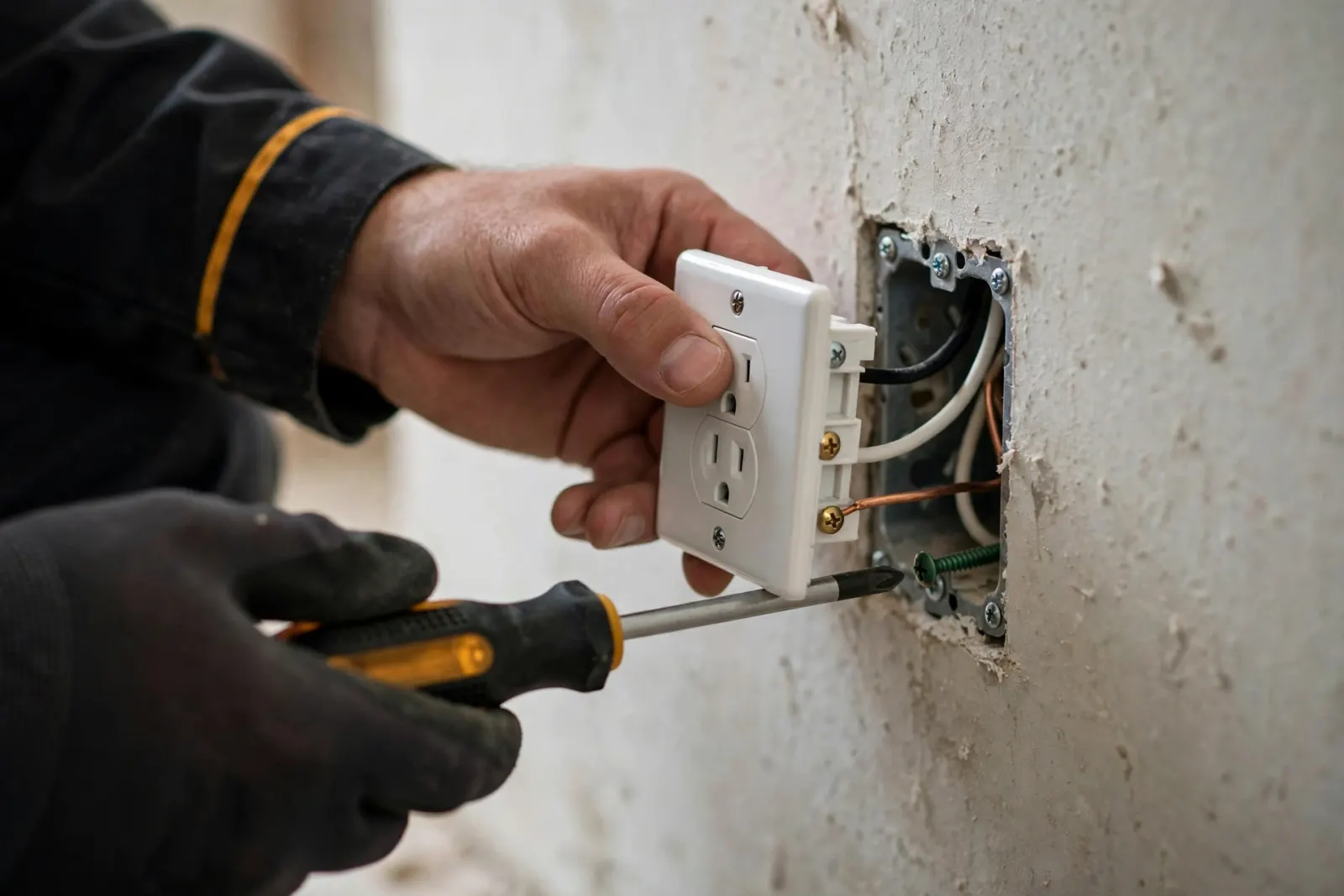
Replace any outlet that is loose, cracked, scorched or warm, and any switch that crackles or feels hot.
Learn more →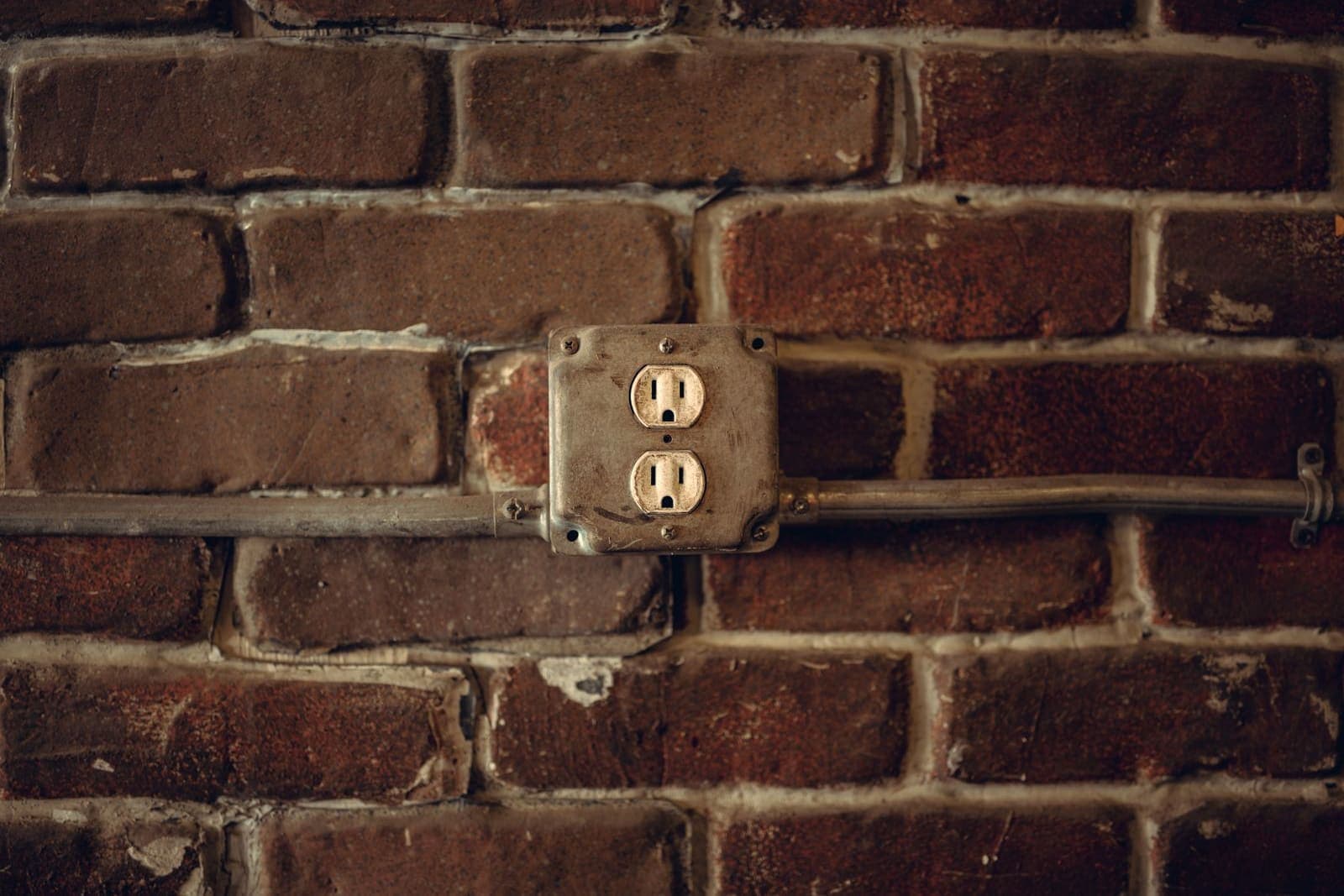
GFCI & AFCI Protection
GFCI devices protect people from shock near water: kitchens, baths, laundry, garages, basements and outdoors.
Learn more →
Electrical Panel Upgrade
A panel upgrade replaces your breaker panel, and often the service entrance, so the home can safely carry more load: an EV charger, heat pump, induction range or addition.
Learn more →Need help with electrical repair & troubleshooting?
Call now, or send a request and a licensed electrician who serves your ZIP code will contact you.