
Safety & inspections
Whole-home surge protection
A whole-home surge protective device (SPD) mounts at the panel and limits voltage spikes before they reach your circuits. The current National Electrical Code requires one for new and replaced services in dwellings; it works best paired with plug-in protectors for electronics.
- Call now to check electrician availability in your area
- Licensed, independent electricians
- 47 states + DC
About whole-home surge protection
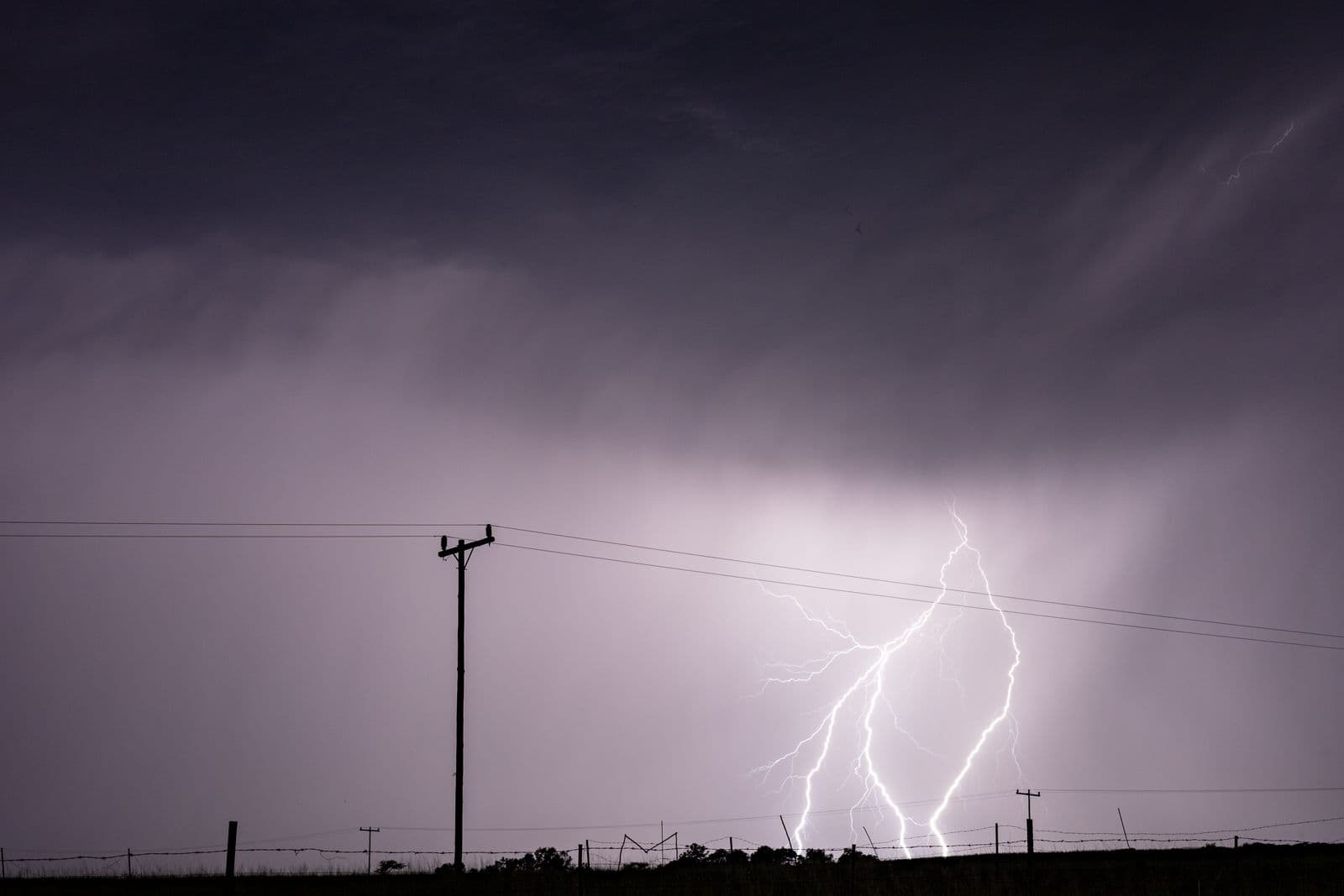
Most surges are small and come from inside the house, when large motors switch on and off. Big ones come from lightning or utility switching. Modern appliances full of circuit boards are vulnerable to both.
A panel SPD is a short install, often done during a panel upgrade. Good grounding and bonding matter as much as the device itself.
- Whole-Home Surge Protection at a glance
- Safety & inspections
- Who does the work
- An independent licensed electrician
- Urgent calls
- Usually scheduled
- Typical first step
- Check grounding
Signs you need this
- Frequent thunderstorms or utility switching
- Recent electronics or appliance failures
- A panel upgrade or service replacement planned
- New HVAC, EV charger or smart appliances
What the electrician does
- 1
Check grounding
Grounding electrode and bonding are inspected.
- 2
Install the SPD
The device is mounted on a breaker or lugs with short leads.
- 3
Verify
Indicator lights and connections are checked.
What affects the cost
Electricians set their own prices. These are the factors that move a quote up or down, so you can compare like for like.
- Device rating
- Panel space
- Grounding corrections
- Whether combined with other panel work
What you can do safely, and when to stop
Safe to do
- ✓ Use plug-in surge strips for computers and TVs
Stop and call
- ✕ Do not install a panel SPD yourself
Key terms
- SPD
- Surge protective device; Type 1 installs at the meter, Type 2 at the panel, Type 3 at the point of use.
- Clamping voltage
- The voltage at which a surge protector begins diverting excess energy; lower is more protective.
- Bonding
- Connecting metal systems such as water and gas piping to the grounding system so they stay at the same potential.
Whole-Home Surge Protection FAQ
Does a whole-home surge protector replace power strips?
No. It handles large surges at the panel; point-of-use protectors handle smaller ones near sensitive electronics.
What is a whole-home surge protector?
A surge protective device (SPD) installed at the main panel or meter that limits voltage spikes entering through the utility service before they reach the home's circuits.
Is a whole-home surge protector required?
The 2020 and later editions of the NEC require surge protection for new and replaced dwelling services. Whether it applies to your home depends on the code edition your area has adopted and the work being done.
Do I still need plug-in surge protectors?
Yes, for sensitive electronics. Whole-home protection handles large external surges; point-of-use protectors handle smaller surges generated inside the home.
Will a surge protector stop a lightning strike?
No device guarantees protection from a direct strike. Surge protection limits damage from the far more common surges carried in on utility and communication lines.
Where do surges come from?
Lightning, utility switching, downed lines, and large motors in the home such as air conditioners and pumps cycling on and off.
How long do surge protectors last?
They wear with each surge they absorb. Many have an indicator light that shows when protection is no longer active, and they should be checked after major storms.
Does surge protection depend on grounding?
Yes. A surge protector diverts energy to ground, so a sound grounding and bonding system is essential for it to work.
Where electricians offer this
Local guides to whole-home surge protection, with permit offices, housing and utility notes for each city:
- Whole-Home Surge Protection in Tucson, AZ →
- Whole-Home Surge Protection in Colorado Springs, CO →
- Whole-Home Surge Protection in Miami, FL →
- Whole-Home Surge Protection in Tampa, FL →
- Whole-Home Surge Protection in Orlando, FL →
- Whole-Home Surge Protection in Jacksonville, FL →
- Whole-Home Surge Protection in Saint Petersburg, FL →
- Whole-Home Surge Protection in Fort Lauderdale, FL →
- Whole-Home Surge Protection in Atlanta, GA →
- Whole-Home Surge Protection in Indianapolis, IN →
- Whole-Home Surge Protection in Baton Rouge, LA →
- Whole-Home Surge Protection in Shreveport, LA →
- Whole-Home Surge Protection in Albuquerque, NM →
- Whole-Home Surge Protection in Oklahoma City, OK →
- Whole-Home Surge Protection in Charleston, SC →
- Whole-Home Surge Protection in Nashville, TN →
- Whole-Home Surge Protection in Houston, TX →
- Whole-Home Surge Protection in Dallas, TX →
- Whole-Home Surge Protection in Fort Worth, TX →
- Whole-Home Surge Protection in Virginia Beach, VA →
Available through our network in 47 states and DC. Metro guides:
Related services
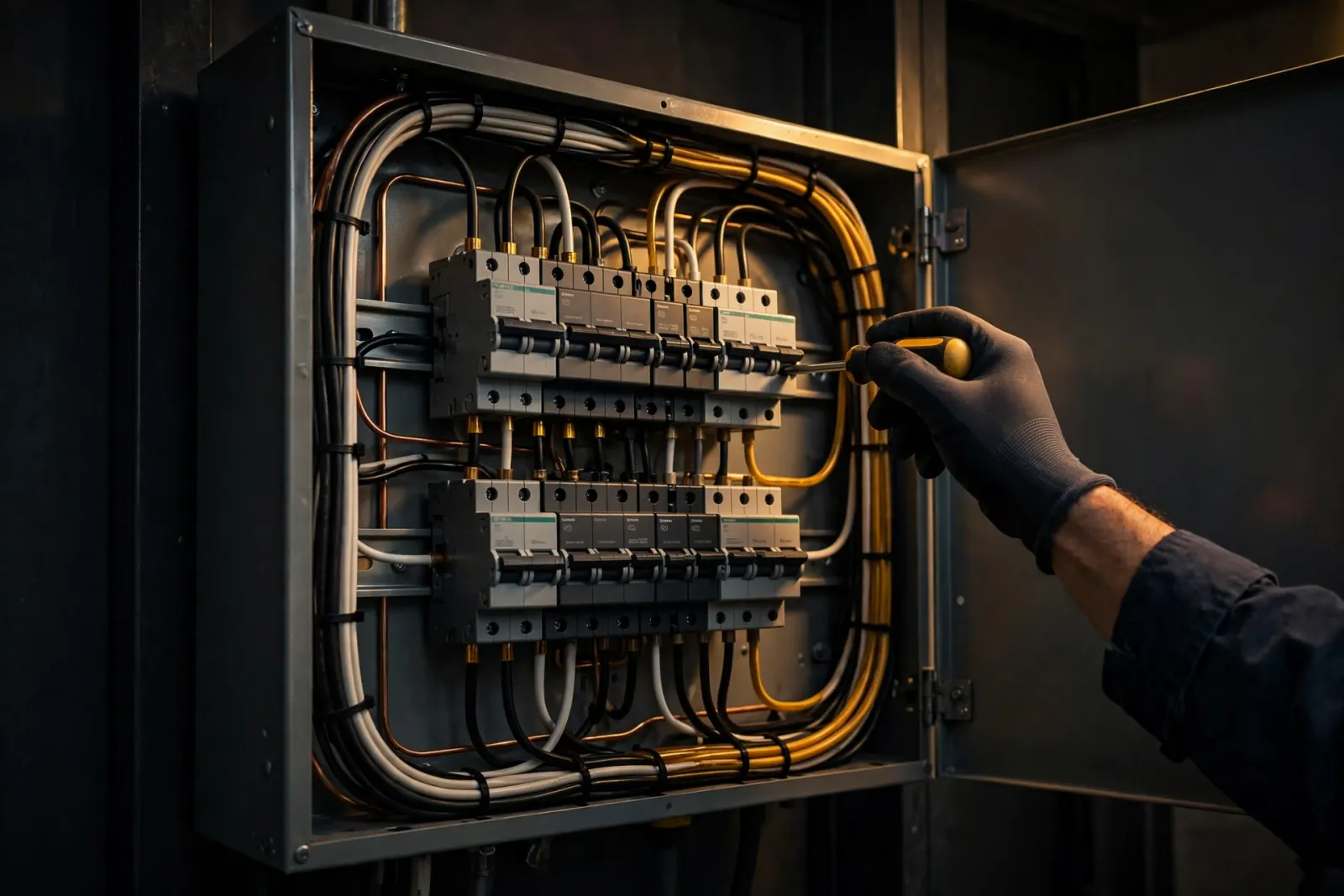
Electrical Panel Upgrade
A panel upgrade replaces your breaker panel, and often the service entrance, so the home can safely carry more load: an EV charger, heat pump, induction range or addition.
Learn more →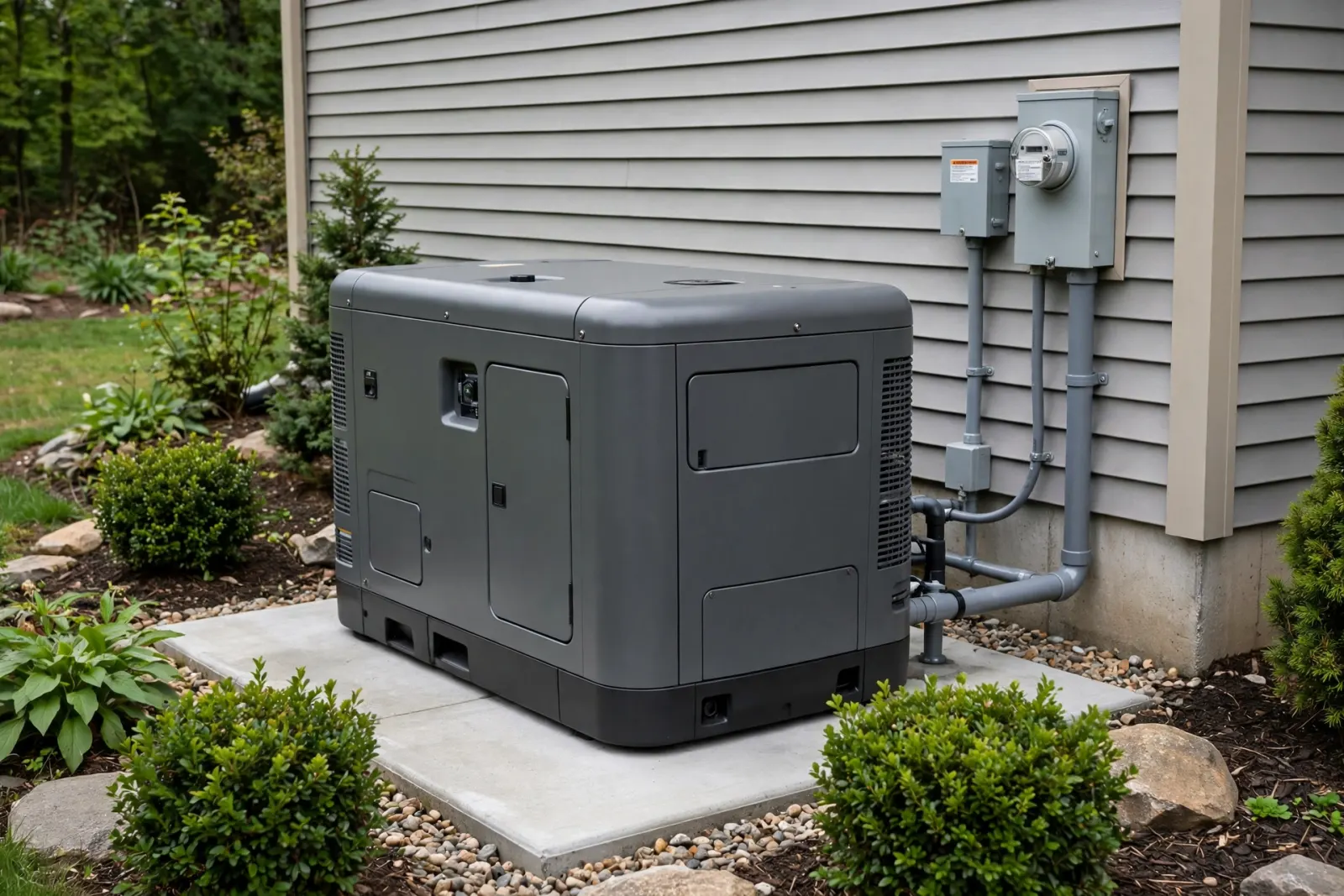
Generator Installation
A generator must connect through a transfer switch or an approved interlock so it can never feed power back into utility lines.
Learn more →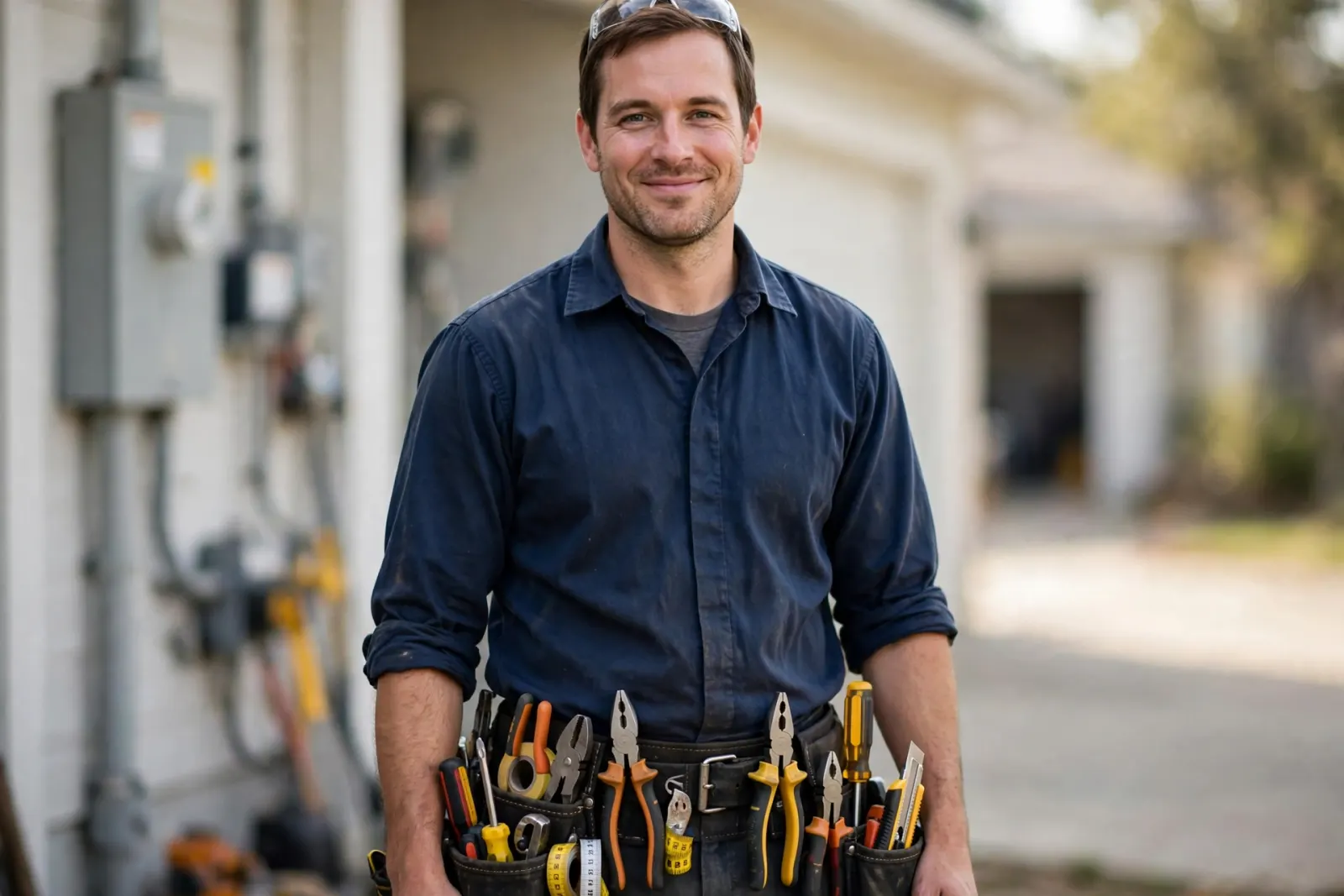
Electrical Safety Inspection
An electrical safety inspection is a hands-on check of the panel, wiring, grounding, devices and protection by a licensed electrician.
Learn more →Need help with whole-home surge protection?
Call now, or send a request and a licensed electrician who serves your ZIP code will contact you.