
Safety & inspections
GFCI and AFCI protection
GFCI devices protect people from shock near water: kitchens, baths, laundry, garages, basements and outdoors. AFCI devices protect against fires from arcing wires. Both can be added as outlets or breakers.
- Call now to check electrician availability in your area
- Licensed, independent electricians
- 47 states + DC
About gfci & afci protection
Older homes often have no GFCI protection at all. Adding it in wet locations is one of the most effective safety upgrades for the money.
AFCI requirements have expanded over successive code editions to cover most living areas. When an electrician replaces or extends a circuit, AFCI protection is often required.
- GFCI & AFCI Protection at a glance
- Safety & inspections
- Who does the work
- An independent licensed electrician
- Urgent calls
- Usually scheduled
- Typical first step
- Map circuits
Signs you need this
- No GFCI outlets in kitchen, bath, garage or outdoors
- GFCIs that won't reset or trip constantly
- Home inspection flagged missing protection
- Renovation of a kitchen or bath
What the electrician does
- 1
Map circuits
Wet locations and living-area circuits are identified.
- 2
Install protection
GFCI/AFCI outlets or breakers are installed where most effective.
- 3
Test
Each device is tested and labeled.
What affects the cost
Electricians set their own prices. These are the factors that move a quote up or down, so you can compare like for like.
- Number of circuits
- Outlet versus breaker protection
- Panel compatibility
- Nuisance-tripping diagnosis
What you can do safely, and when to stop
Safe to do
- ✓ Press Test on GFCIs monthly
Stop and call
- ✕ Do not remove a GFCI because it trips; find out why
Key terms
- GFCI
- Ground-fault circuit interrupter: cuts power when current leaks to ground, protecting people from shock.
- AFCI
- Arc-fault circuit interrupter: cuts power when it detects arcing that can start a fire.
- Ground fault
- Current flowing along an unintended path to ground, such as through water or a person.
GFCI & AFCI Protection FAQ
Why does my GFCI keep tripping?
Moisture in an outdoor box, a failing appliance or a worn GFCI are common causes. An electrician can isolate which.
What is the difference between GFCI and AFCI?
A GFCI protects people from shock by detecting current leaking to ground. An AFCI protects against fire by detecting dangerous arcing in wiring. Dual-function devices provide both.
Where is GFCI protection required?
Under the NEC, in bathrooms, kitchens (countertop and other locations), garages, outdoors, crawl spaces, unfinished basements, laundry areas, and near sinks, tubs and showers, among others. Requirements have expanded with each code edition.
Where is AFCI protection required?
In new construction, most living areas of a home, including bedrooms, living rooms, kitchens and laundry areas. When existing circuits are extended or modified, AFCI protection is often required for those circuits.
Do GFCI outlets wear out?
Yes. GFCIs can fail over time, and newer models are designed to stop supplying power when their protection fails. Test them monthly and replace any that will not trip or reset.
How often should I test GFCI outlets?
Manufacturers recommend testing monthly with the test and reset buttons. A GFCI that will not trip or reset should be replaced.
Can GFCI protect an ungrounded outlet?
Yes. The NEC allows a GFCI to protect two-prong or ungrounded three-prong outlets, labeled "No equipment ground", as a safety upgrade.
Breaker or outlet: which is better?
Both provide the same protection. A GFCI or AFCI breaker protects the whole circuit from the panel; a GFCI outlet is easier to reset where you are and can protect outlets downstream.
Where electricians offer this
Available through our network in 47 states and DC. Metro guides:
Related services
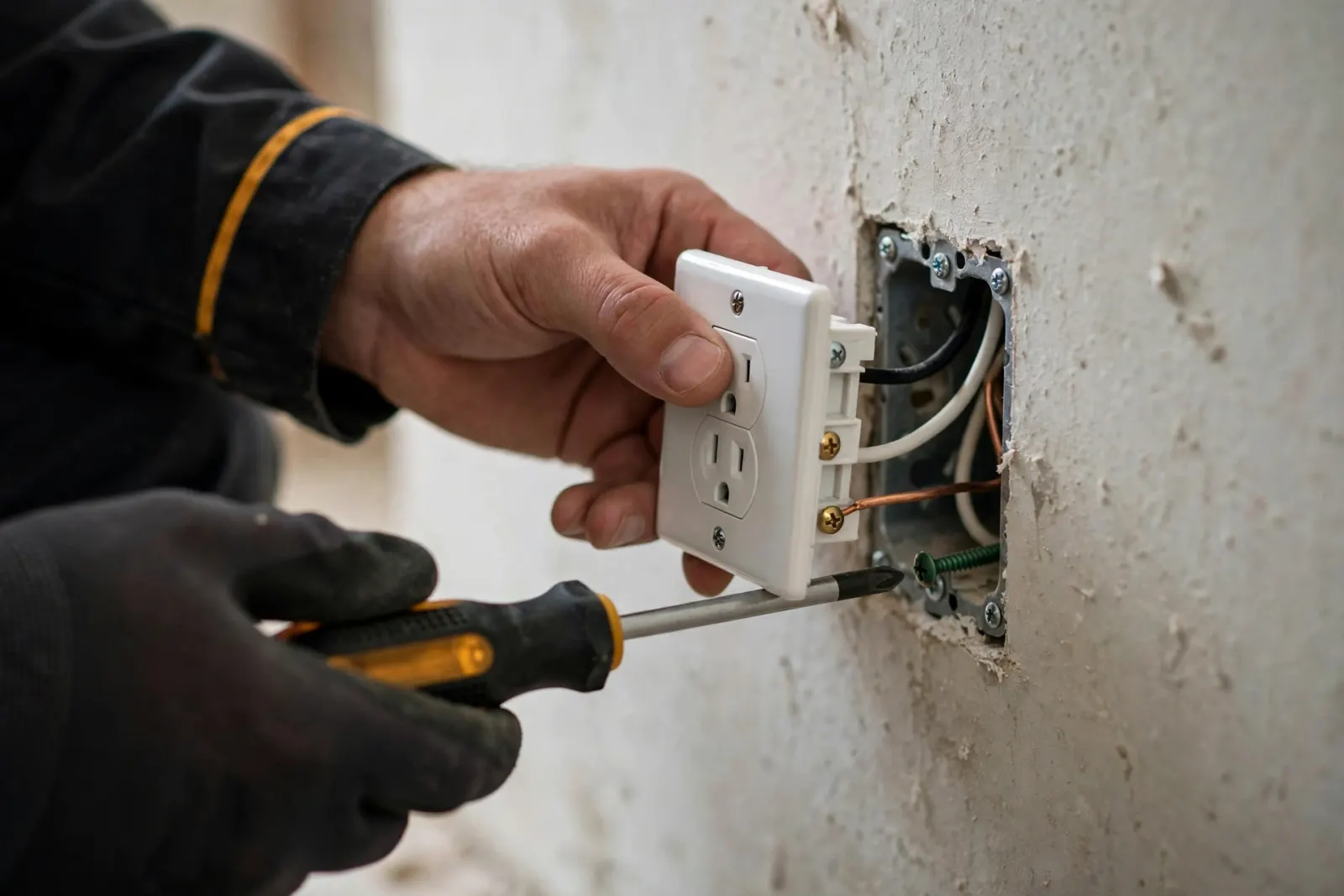
Outlet & Switch Repair
Replace any outlet that is loose, cracked, scorched or warm, and any switch that crackles or feels hot.
Learn more →
Electrical Safety Inspection
An electrical safety inspection is a hands-on check of the panel, wiring, grounding, devices and protection by a licensed electrician.
Learn more →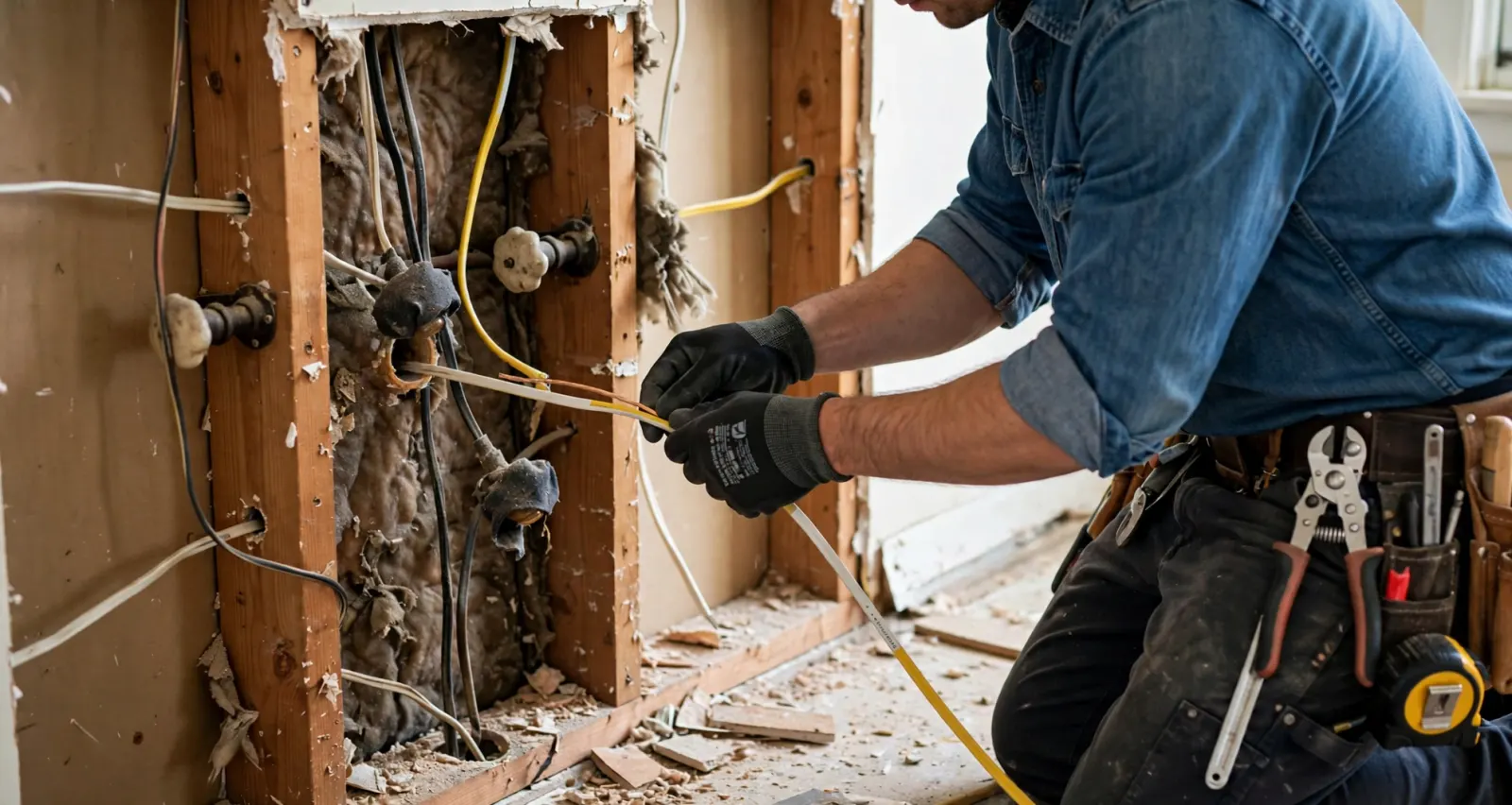
Home Rewiring
Rewiring replaces old branch-circuit wiring, such as knob-and-tube, ungrounded cloth-insulated cable or 1960s–70s aluminum branch wiring, with modern grounded copper cable.
Learn more →Need help with gfci & afci protection?
Call now, or send a request and a licensed electrician who serves your ZIP code will contact you.