
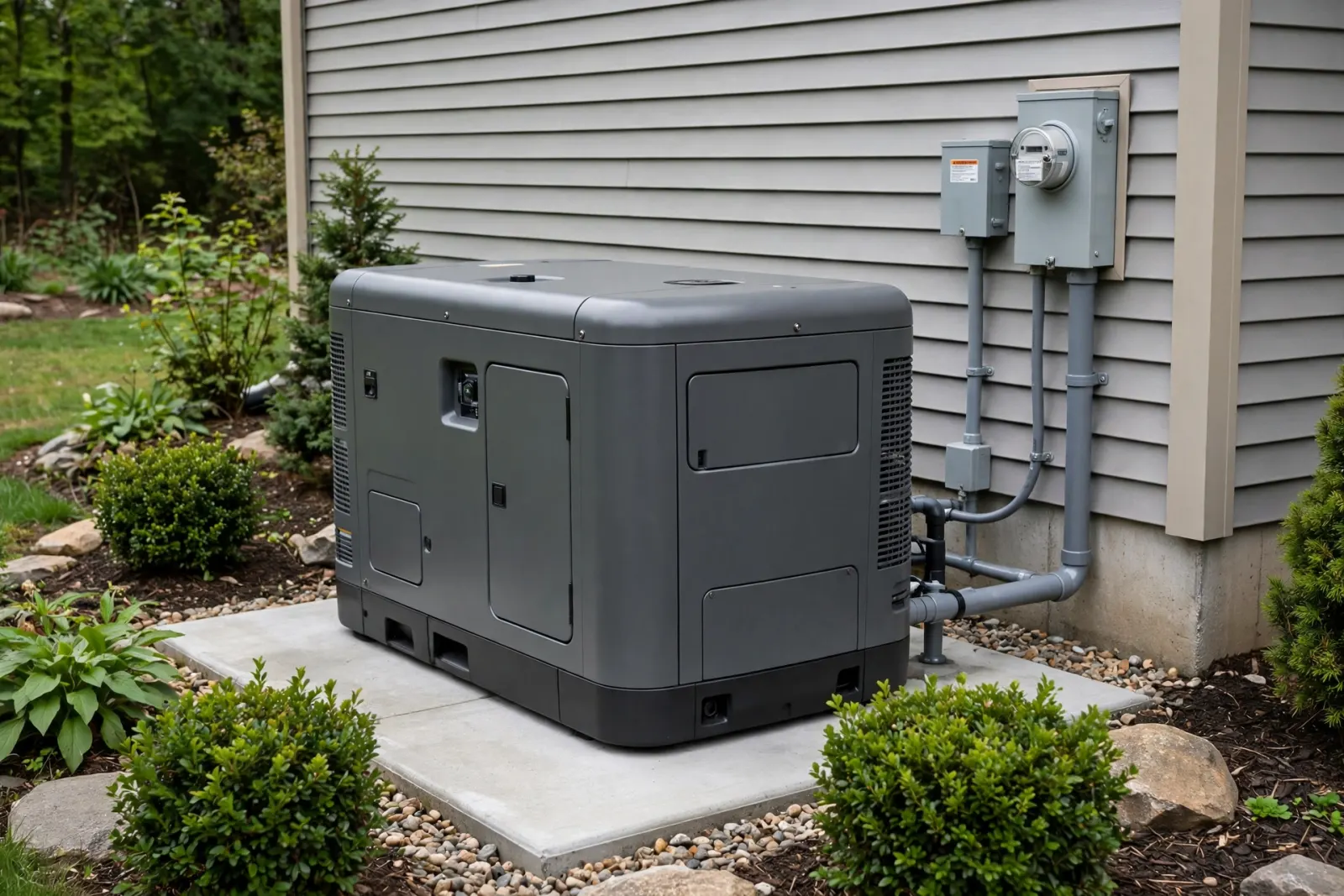
Installation
Generator and transfer switch installation
A generator must connect through a transfer switch or an approved interlock so it can never feed power back into utility lines. Electricians install standby generators, portable generator inlets with interlocks, and the transfer equipment for both.
- Call now to check electrician availability in your area
- Licensed, independent electricians
- 47 states + DC
About generator installation
Backfeeding a house through a dryer outlet with a 'suicide cord' can electrocute line workers and burn out a generator when power returns. A properly installed inlet box and interlock or transfer switch is the safe way to run a portable generator.
Standby generators start automatically. They need a concrete or composite pad, a gas line from a licensed plumber or gas fitter, an automatic transfer switch and a permit.
- Generator Installation at a glance
- Installation
- Who does the work
- An independent licensed electrician
- Urgent calls
- Usually scheduled
- Typical first step
- Size the load
Signs you need this
- Frequent outages from storms, ice or heat
- Medical equipment, sump pumps or freezers that cannot lose power
- A portable generator with no safe way to connect
- Planning a whole-home standby unit
What the electrician does
- 1
Size the load
Circuits that must stay powered are listed and the generator sized.
- 2
Choose the connection
Inlet and interlock, manual transfer switch or automatic transfer switch.
- 3
Install and inspect
Permitted installation, gas connection by a licensed fitter where needed, and inspection.
What affects the cost
Electricians set their own prices. These are the factors that move a quote up or down, so you can compare like for like.
- Portable inlet versus standby system
- Generator size
- Transfer switch type
- Distance from panel and gas source
- Pad, permits and inspection
What you can do safely, and when to stop
Safe to do
- ✓ Run portable generators outside, at least 20 feet from doors and windows
Stop and call
- ✕ Never backfeed through an outlet
- ✕ Never run a generator in a garage
Key terms
- Automatic transfer switch (ATS)
- A switch that detects an outage, starts the generator and moves the home's load to it.
- Backfeeding
- Sending generator power back through the home's wiring to the utility lines; dangerous and illegal.
- Power inlet box
- An exterior connection where a portable generator's cord plugs in safely.
Generator Installation FAQ
Is an interlock kit legal?
Listed interlock kits are accepted in many jurisdictions when installed with a permit. Your electrician will know the local rule.
What is the difference between a portable and a standby generator?
A portable generator is wheeled out and connected when needed. A standby generator is permanently installed, runs on natural gas or propane, and starts automatically through a transfer switch.
Can I plug a generator into a wall outlet?
No. Backfeeding through an outlet can energize utility lines and injure line workers, and it can damage equipment. Use a transfer switch or an interlock with an inlet.
What is an interlock kit?
A mechanical device on the main panel that makes it impossible to turn on the generator breaker while the main breaker is on, allowing a portable generator to safely power chosen circuits.
What size generator do I need?
It depends on what you want to run: a few essentials such as a furnace, refrigerator and lights, or the whole house. An electrician sizes it from the loads and the starting current of motors such as air conditioners.
Where can a generator be placed?
Outdoors, at clearances from windows, doors and vents set by the manufacturer and local code, because exhaust contains carbon monoxide. Never run a generator in a garage or basement.
Does a standby generator need a permit?
Yes, usually electrical and often gas permits, plus any HOA approvals. The electrician and the gas installer coordinate inspections.
How long does a standby generator installation take?
The installation itself is often a day or two once the pad, gas line and permits are ready; ordering and permits can take longer.
Where electricians offer this
Local guides to generator installation, with permit offices, housing and utility notes for each city:
- Generator Installation in Birmingham, AL →
- Generator Installation in Huntsville, AL →
- Generator Installation in Little Rock, AR →
- Generator Installation in Hartford, CT →
- Generator Installation in New Haven, CT →
- Generator Installation in Miami, FL →
- Generator Installation in Tampa, FL →
- Generator Installation in Orlando, FL →
- Generator Installation in Jacksonville, FL →
- Generator Installation in Saint Petersburg, FL →
- Generator Installation in Fort Lauderdale, FL →
- Generator Installation in Atlanta, GA →
- Generator Installation in Des Moines, IA →
- Generator Installation in Wichita, KS →
- Generator Installation in Louisville, KY →
- Generator Installation in New Orleans, LA →
- Generator Installation in Baton Rouge, LA →
- Generator Installation in Boston, MA →
- Generator Installation in Grand Rapids, MI →
- Generator Installation in Minneapolis, MN →
- Generator Installation in Saint Paul, MN →
- Generator Installation in Kansas City, MO →
- Generator Installation in Omaha, NE →
- Generator Installation in Reno, NV →
- Generator Installation in Manchester, NH →
- Generator Installation in Albany, NY →
- Generator Installation in Syracuse, NY →
- Generator Installation in Charlotte, NC →
- Generator Installation in Greensboro, NC →
- Generator Installation in Columbus, OH →
- Generator Installation in Cleveland, OH →
- Generator Installation in Dayton, OH →
- Generator Installation in Oklahoma City, OK →
- Generator Installation in Tulsa, OK →
- Generator Installation in Portland, OR →
- Generator Installation in Providence, RI →
- Generator Installation in Charleston, SC →
- Generator Installation in Greenville, SC →
- Generator Installation in Chattanooga, TN →
- Generator Installation in Houston, TX →
- Generator Installation in San Antonio, TX →
- Generator Installation in Austin, TX →
- Generator Installation in Fort Worth, TX →
- Generator Installation in Virginia Beach, VA →
- Generator Installation in Norfolk, VA →
- Generator Installation in Seattle, WA →
- Generator Installation in Spokane, WA →
- Generator Installation in Tacoma, WA →
- Generator Installation in Huntington, WV →
- Generator Installation in Charleston, WV →
- Generator Installation in Madison, WI →
Available through our network in 47 states and DC. Metro guides:
Related services
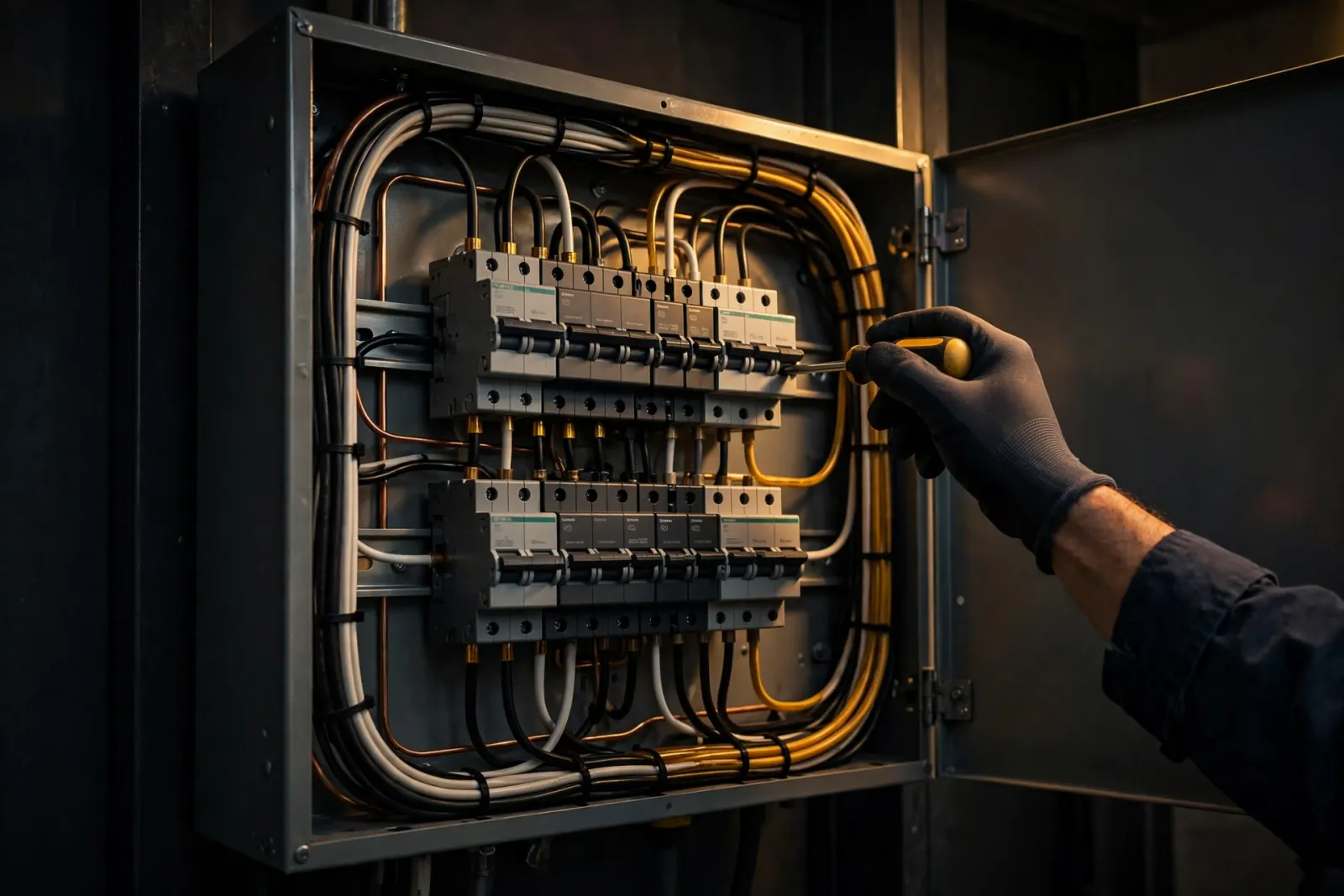
Electrical Panel Upgrade
A panel upgrade replaces your breaker panel, and often the service entrance, so the home can safely carry more load: an EV charger, heat pump, induction range or addition.
Learn more →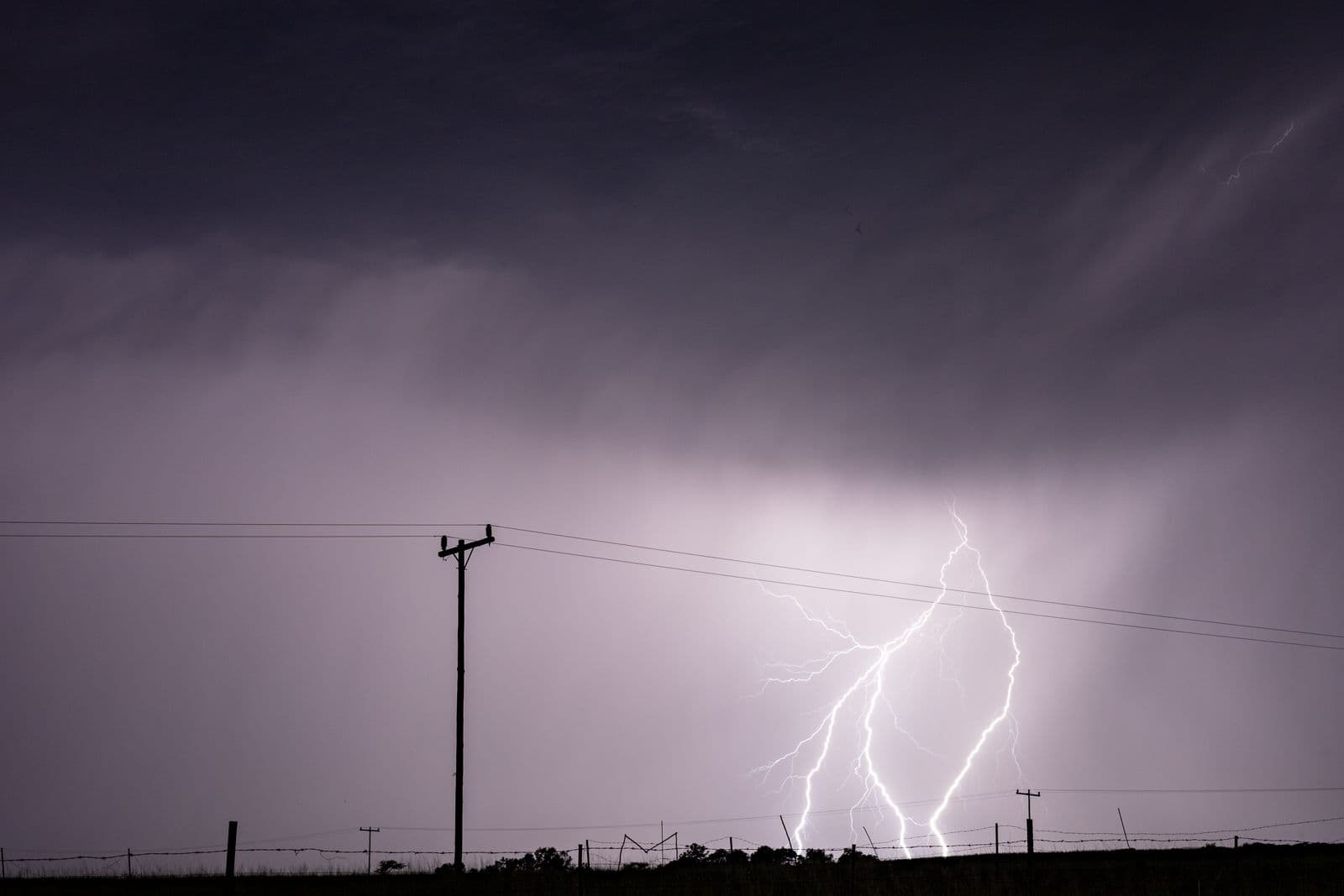
Whole-Home Surge Protection
A whole-home surge protective device (SPD) mounts at the panel and limits voltage spikes before they reach your circuits.
Learn more →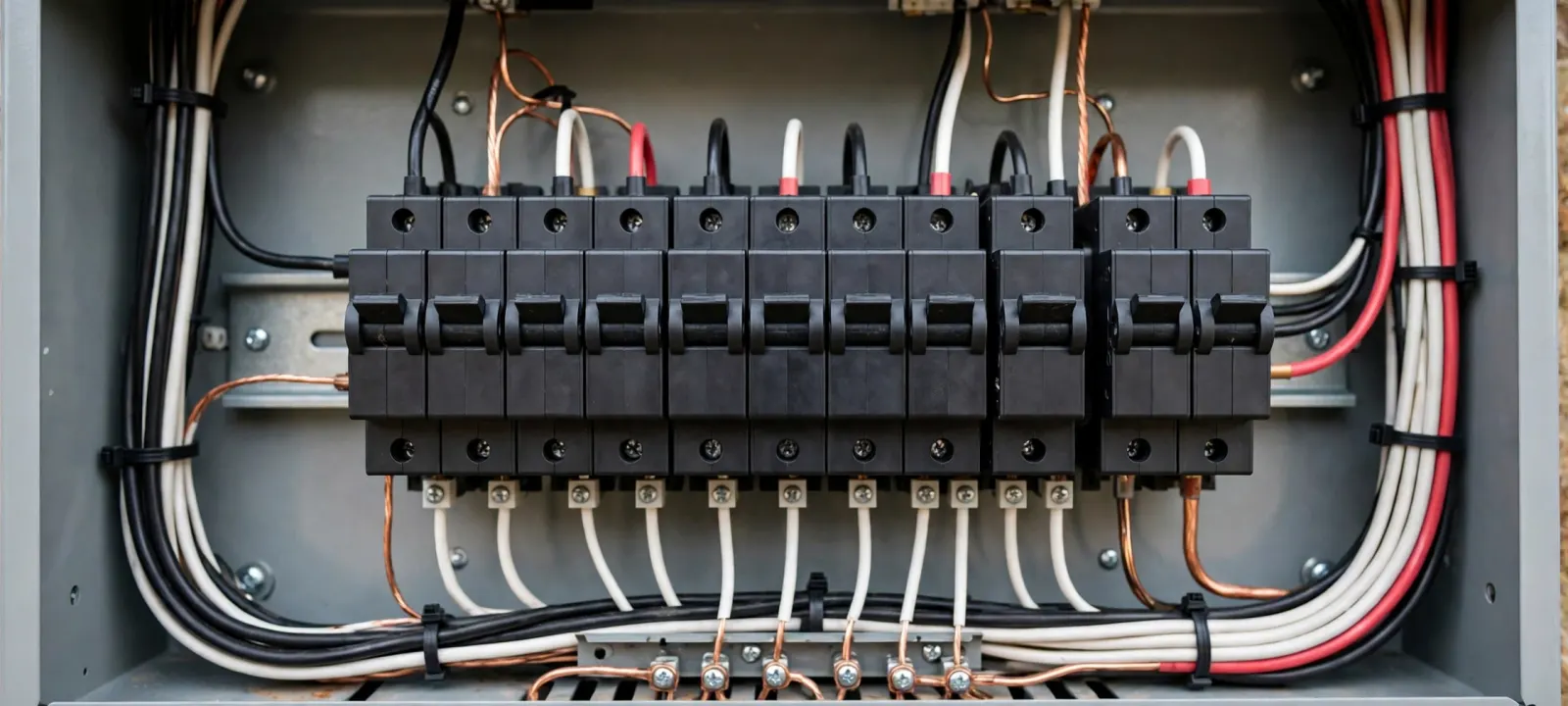
Dedicated Circuits
A dedicated circuit serves one appliance or one heavy-use area so it does not share capacity with anything else.
Learn more →Need help with generator installation?
Call now, or send a request and a licensed electrician who serves your ZIP code will contact you.