
Panels & wiring
Home rewiring
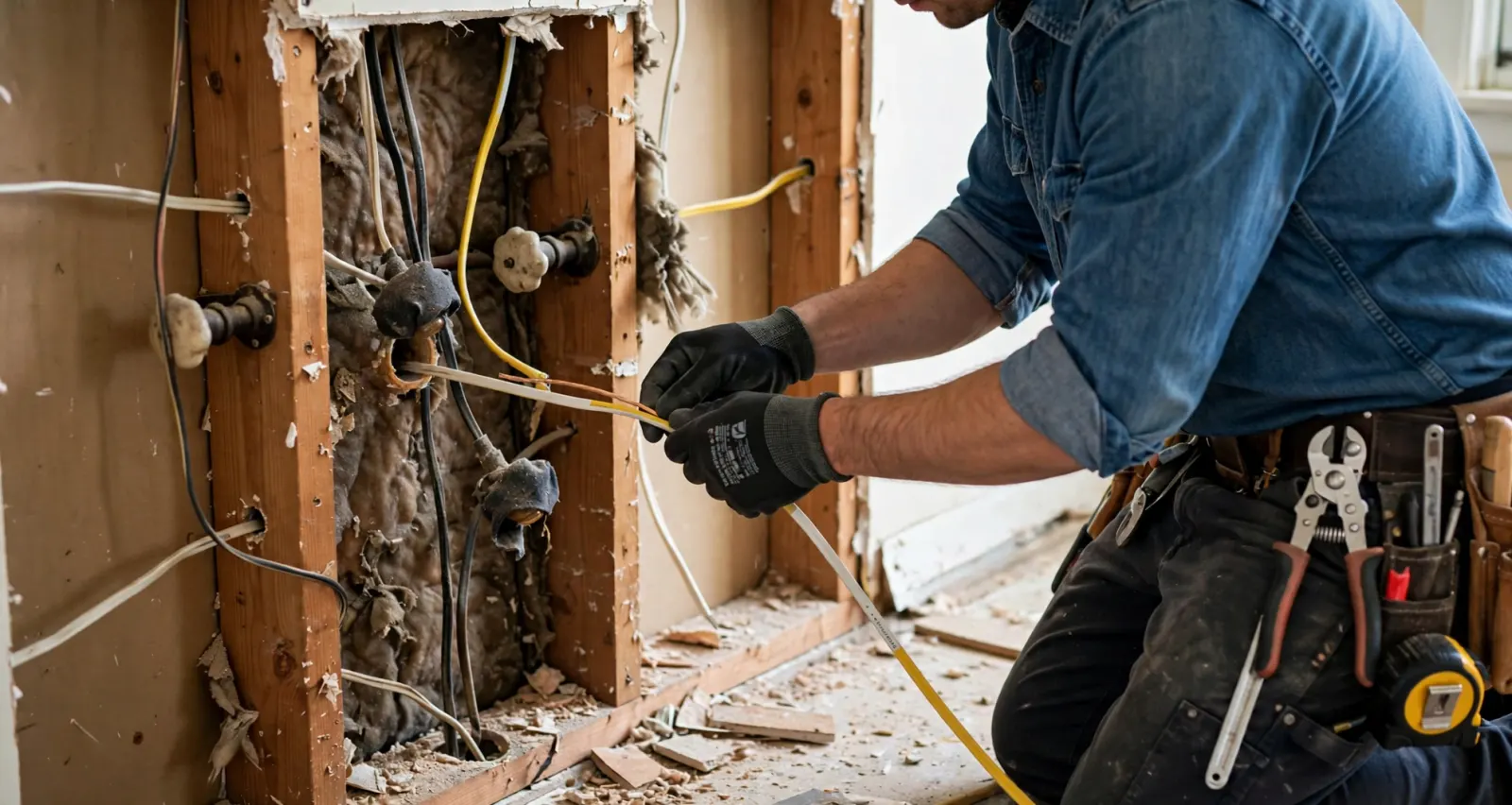
Rewiring replaces old branch-circuit wiring, such as knob-and-tube, ungrounded cloth-insulated cable or 1960s–70s aluminum branch wiring, with modern grounded copper cable. It can be done room by room, and an electrician will tell you which circuits matter most.
- Call now to check electrician availability in your area
- Licensed, independent electricians
- 47 states + DC
About home rewiring
Knob-and-tube wiring was installed in many homes until the 1940s. It has no ground, the insulation becomes brittle, and it was never designed to be buried in attic insulation. Many insurers will not write a policy on it. Aluminum branch wiring, used in some homes built in the mid-1960s to mid-1970s, can overheat at connections unless they are repaired with approved methods.
A good rewiring plan starts with what is there. The electrician opens a few boxes, checks the attic and basement runs, and prioritizes kitchens, baths and bedrooms. Walls are opened as little as possible, and patching is planned up front.
- Home Rewiring at a glance
- Panels & wiring
- Who does the work
- An independent licensed electrician
- Urgent calls
- Usually scheduled
- Typical first step
- Assessment
Signs you need this
- Knob-and-tube or cloth-insulated wiring
- Two-prong outlets throughout
- Aluminum branch wiring
- Frequent tripping or warm devices
- An insurer or home inspector flagged the wiring
What the electrician does
- 1
Assessment
Wiring type, condition and circuit layout are documented.
- 2
Plan and permit
Circuits are prioritized and the work is permitted.
- 3
Rewire
New cable is fished through walls and ceilings with minimal openings.
- 4
Inspection and patching
Rough-in and final inspections, then wall openings are closed.
What affects the cost
Electricians set their own prices. These are the factors that move a quote up or down, so you can compare like for like.
- Home size and number of circuits
- Access through attic, basement or crawl space
- Plaster versus drywall
- Whether the panel is upgraded at the same time
- Patching and painting scope
What you can do safely, and when to stop
Safe to do
- ✓ Note rooms with two-prong outlets
- ✓ Keep cords and lamps off knob-and-tube runs in the attic
Stop and call
- ✕ Do not cover knob-and-tube with insulation
- ✕ Do not splice new wire onto old wiring
Key terms
- Knob-and-tube
- Early wiring (roughly 1880s to 1940s) run on ceramic knobs and through ceramic tubes, with no ground conductor.
- Fishing wire
- Pulling new cable through closed walls and ceilings without opening them fully.
- Pigtail
- A short length of wire spliced to a circuit conductor to connect a device; used in aluminum wiring remediation.
Home Rewiring FAQ
Do I have to rewire the whole house at once?
No. Many homeowners rewire in phases, starting with kitchens, baths and bedrooms.
Is aluminum wiring dangerous?
Aluminum branch wiring can overheat at connections. Approved repairs (such as rated connectors) or replacement reduce the risk; an electrician can advise which fits.
How do I know if my house needs rewiring?
Common reasons are knob-and-tube or cloth-insulated wiring still in use, ungrounded two-prong outlets throughout, aluminum branch wiring, frequent tripping, and wiring damaged by rodents, water or past amateur work.
Is knob-and-tube wiring dangerous?
It was installed without a ground, its insulation becomes brittle with age, and it was designed to release heat into open air, so covering it with insulation is a concern. Many insurers ask about it.
Can a house be rewired without removing all the drywall or plaster?
Usually. Electricians fish new cable through walls from the attic and basement and open small access holes where needed, which are then patched.
How long does a whole-house rewire take?
It varies with the size of the home and access, from several days for a smaller home with good attic and basement access to a few weeks for larger or plaster-walled homes.
Can I live in the house during rewiring?
Often yes, if the work is phased so some circuits stay on each night. Full gut renovations are easier to rewire when the home is empty.
What is the fix for aluminum branch wiring?
A full rewire or, commonly, remediation by connecting copper pigtails at every outlet, switch and splice with connectors listed for aluminum-to-copper connections.
Does rewiring require a permit?
Yes, almost always, with inspections before walls are closed and at the end. The permit record is useful when you sell the home.
Where electricians offer this
Local guides to home rewiring, with permit offices, housing and utility notes for each city:
- Home Rewiring in Birmingham, AL →
- Home Rewiring in Tucson, AZ →
- Home Rewiring in Little Rock, AR →
- Home Rewiring in San Diego, CA →
- Home Rewiring in San Francisco, CA →
- Home Rewiring in San Jose, CA →
- Home Rewiring in Long Beach, CA →
- Home Rewiring in Oakland, CA →
- Home Rewiring in Pasadena, CA →
- Home Rewiring in Hartford, CT →
- Home Rewiring in New Haven, CT →
- Home Rewiring in Wilmington, DE →
- Home Rewiring in Washington, DC →
- Home Rewiring in Jacksonville, FL →
- Home Rewiring in Atlanta, GA →
- Home Rewiring in Boise, ID →
- Home Rewiring in Chicago, IL →
- Home Rewiring in Indianapolis, IN →
- Home Rewiring in Des Moines, IA →
- Home Rewiring in Louisville, KY →
- Home Rewiring in New Orleans, LA →
- Home Rewiring in Baltimore, MD →
- Home Rewiring in Boston, MA →
- Home Rewiring in Grand Rapids, MI →
- Home Rewiring in Minneapolis, MN →
- Home Rewiring in Saint Paul, MN →
- Home Rewiring in Kansas City, MO →
- Home Rewiring in Omaha, NE →
- Home Rewiring in Lincoln, NE →
- Home Rewiring in Manchester, NH →
- Home Rewiring in Trenton, NJ →
- Home Rewiring in Newark, NJ →
- Home Rewiring in Albuquerque, NM →
- Home Rewiring in New York, NY →
- Home Rewiring in Albany, NY →
- Home Rewiring in Syracuse, NY →
- Home Rewiring in Greensboro, NC →
- Home Rewiring in Columbus, OH →
- Home Rewiring in Cleveland, OH →
- Home Rewiring in Dayton, OH →
- Home Rewiring in Akron, OH →
- Home Rewiring in Tulsa, OK →
- Home Rewiring in Portland, OR →
- Home Rewiring in Philadelphia, PA →
- Home Rewiring in Pittsburgh, PA →
- Home Rewiring in Providence, RI →
- Home Rewiring in Greenville, SC →
- Home Rewiring in Nashville, TN →
- Home Rewiring in Chattanooga, TN →
- Home Rewiring in Dallas, TX →
- Home Rewiring in Norfolk, VA →
- Home Rewiring in Seattle, WA →
- Home Rewiring in Spokane, WA →
- Home Rewiring in Tacoma, WA →
- Home Rewiring in Huntington, WV →
- Home Rewiring in Milwaukee, WI →
- Home Rewiring in Madison, WI →
Available through our network in 47 states and DC. Metro guides:
Related services
Electrical Panel Upgrade
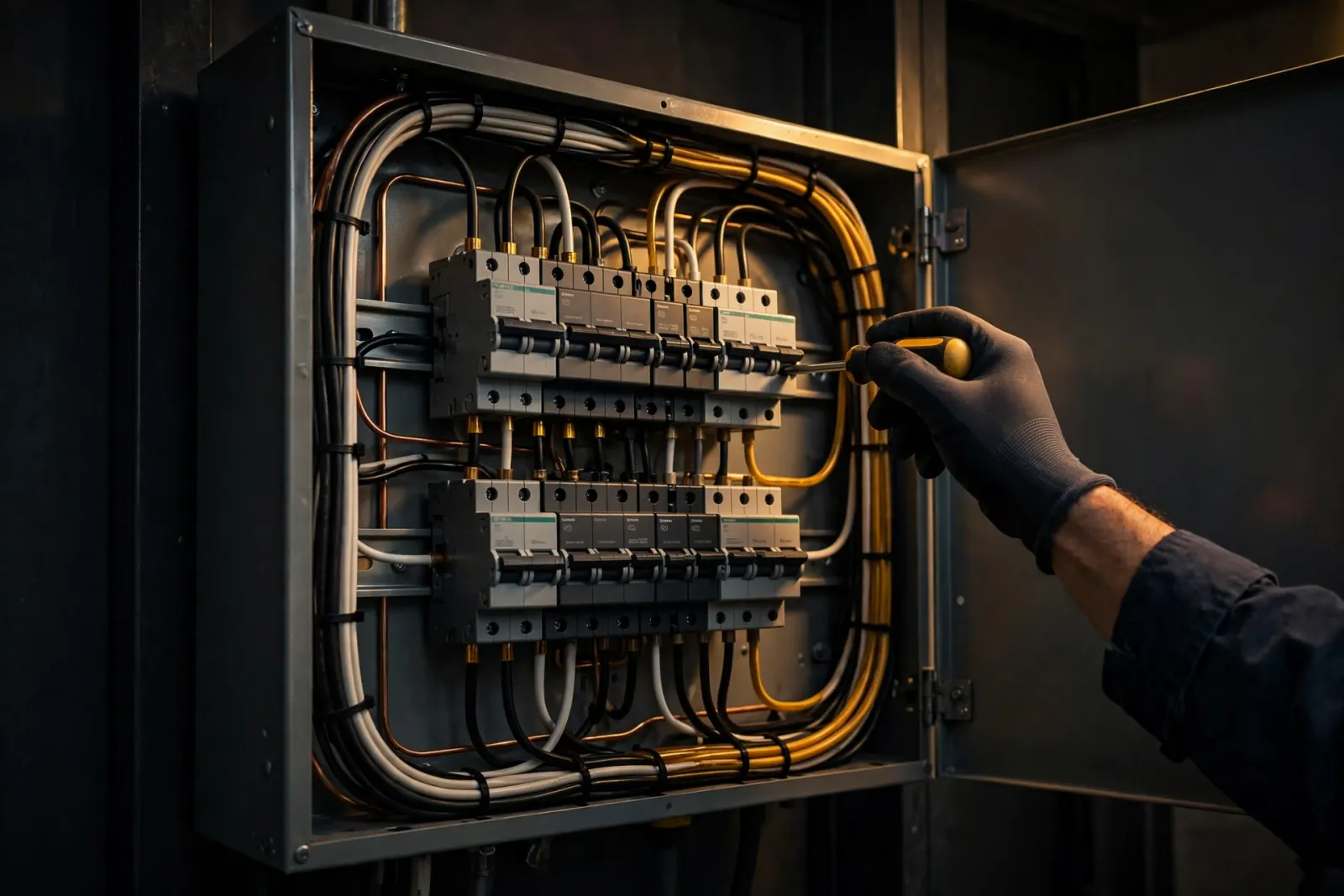
A panel upgrade replaces your breaker panel, and often the service entrance, so the home can safely carry more load: an EV charger, heat pump, induction range or addition.
Learn more →
Electrical Safety Inspection
An electrical safety inspection is a hands-on check of the panel, wiring, grounding, devices and protection by a licensed electrician.
Learn more →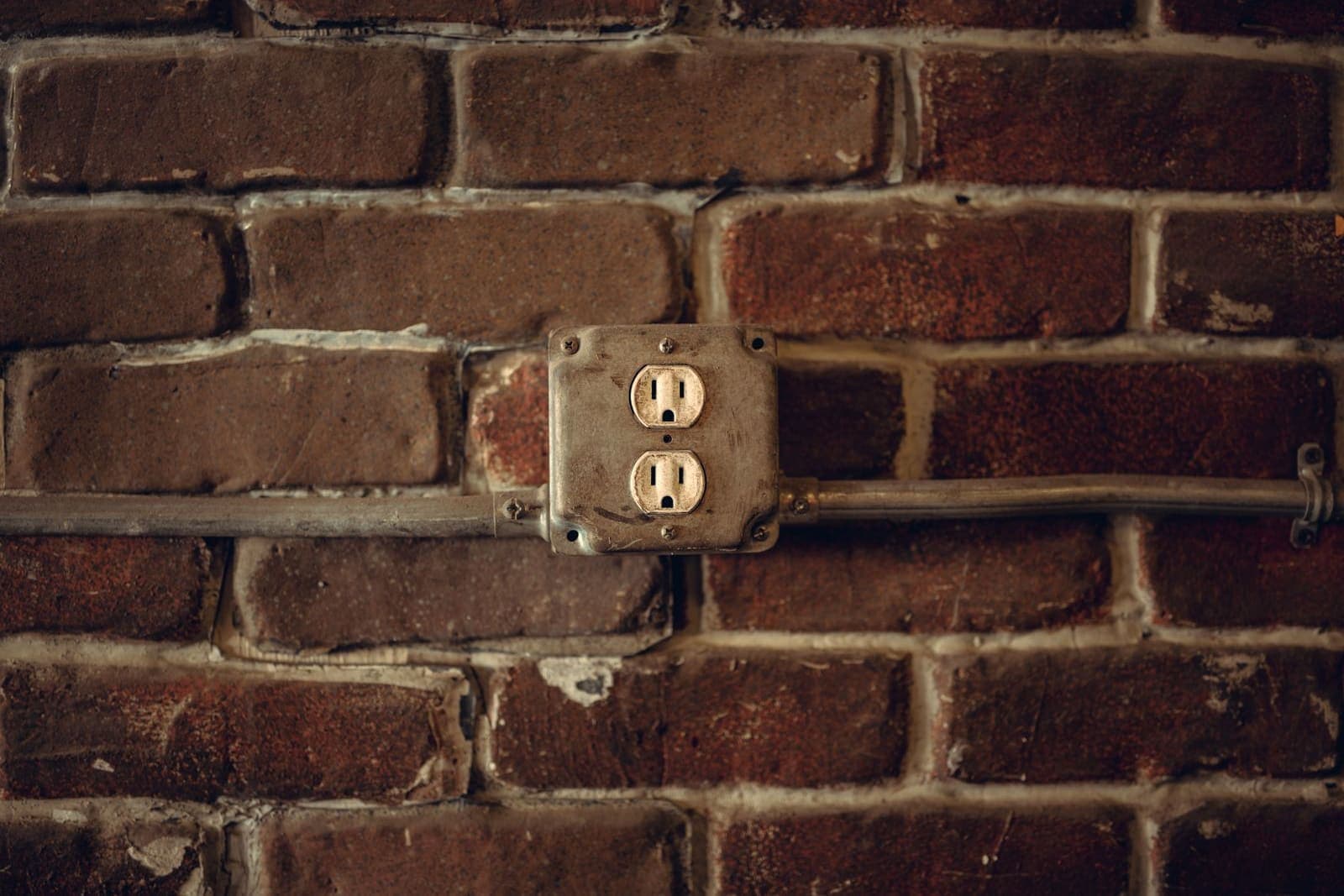
GFCI & AFCI Protection
GFCI devices protect people from shock near water: kitchens, baths, laundry, garages, basements and outdoors.
Learn more →Need help with home rewiring?
Call now, or send a request and a licensed electrician who serves your ZIP code will contact you.