
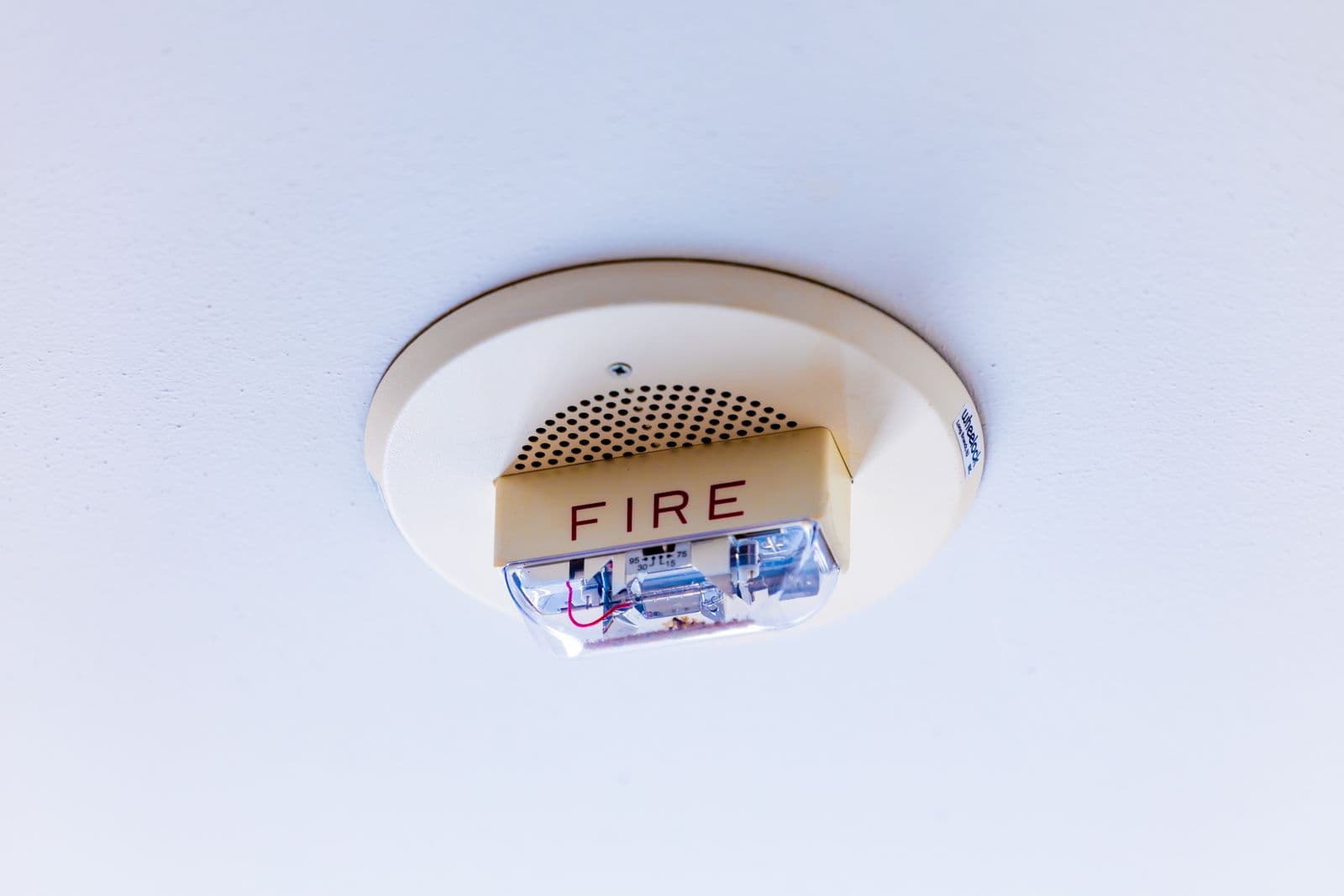
Safety & inspections
Smoke and carbon monoxide detector installation
Hardwired smoke alarms should be replaced about every 10 years, and interconnected so one alarm sounds them all. Homes with gas appliances or an attached garage also need carbon monoxide alarms. An electrician installs new hardwired alarms and adds interconnection.
- Call now to check electrician availability in your area
- Licensed, independent electricians
- 47 states + DC
About smoke & co detector installation
Every smoke alarm has a manufacture date on the back. Past 10 years, the sensor is no longer reliable, even if the test button still beeps.
Many states require CO alarms when a home is sold or renovated. Combination smoke/CO units reduce the number of devices on the ceiling.
- Smoke & CO Detector Installation at a glance
- Safety & inspections
- Who does the work
- An independent licensed electrician
- Urgent calls
- Usually scheduled
- Typical first step
- Check existing alarms
Signs you need this
- Alarms older than 10 years
- Chirping that continues after a battery change
- Alarms that do not sound together
- Gas appliances without CO alarms
What the electrician does
- 1
Check existing alarms
Ages, locations and wiring are checked.
- 2
Replace and interconnect
New alarms are installed in each bedroom, outside sleeping areas and on each level.
- 3
Test
Every alarm is tested together.
What affects the cost
Electricians set their own prices. These are the factors that move a quote up or down, so you can compare like for like.
- Number of alarms
- Hardwired versus wireless interconnect
- New wiring needed
- Combination smoke/CO units
What you can do safely, and when to stop
Safe to do
- ✓ Test alarms monthly
- ✓ Replace batteries yearly in battery units
Stop and call
- ✕ Do not disconnect a chirping hardwired alarm and leave it off
Key terms
- Interconnected alarms
- Smoke alarms linked so that all sound when any one detects smoke.
- Photoelectric sensor
- Detects smoke by light scattering; responds well to smoldering fires.
- Hardwired alarm
- An alarm powered by the home's wiring, with a battery backup.
Smoke & CO Detector Installation FAQ
How often should smoke detectors be replaced?
About every 10 years from the manufacture date on the back of the alarm.
Where should smoke alarms be installed?
NFPA guidance calls for smoke alarms inside every bedroom, outside each sleeping area, and on every level of the home, including the basement. Local codes adopt these rules with some variation.
How often should smoke alarms be replaced?
Every 10 years, according to NFPA. The manufacture date is printed on the back of the alarm.
What are interconnected smoke alarms?
Alarms linked by wire or wireless signal so that when one sounds, they all sound. New homes are required to have them, and they help people hear an alarm anywhere in the house.
Why is my smoke alarm chirping?
Usually a low battery, or an alarm reaching its end of life. Hardwired alarms have backup batteries that also need replacing.
Do I need carbon monoxide alarms?
If the home has fuel-burning appliances, a fireplace or an attached garage, CO alarms are recommended outside sleeping areas and on each level, and many states require them.
Can hardwired smoke alarms be replaced with any brand?
Not always. Interconnected alarms usually need to be the same brand and compatible model, and different brands use different wiring plugs.
Ionization or photoelectric: which is better?
Ionization alarms respond faster to flaming fires and photoelectric alarms to smoldering fires. Many safety organizations recommend having both or using dual-sensor alarms.
Where electricians offer this
Available through our network in 47 states and DC. Metro guides:
Related services

Electrical Safety Inspection
An electrical safety inspection is a hands-on check of the panel, wiring, grounding, devices and protection by a licensed electrician.
Learn more →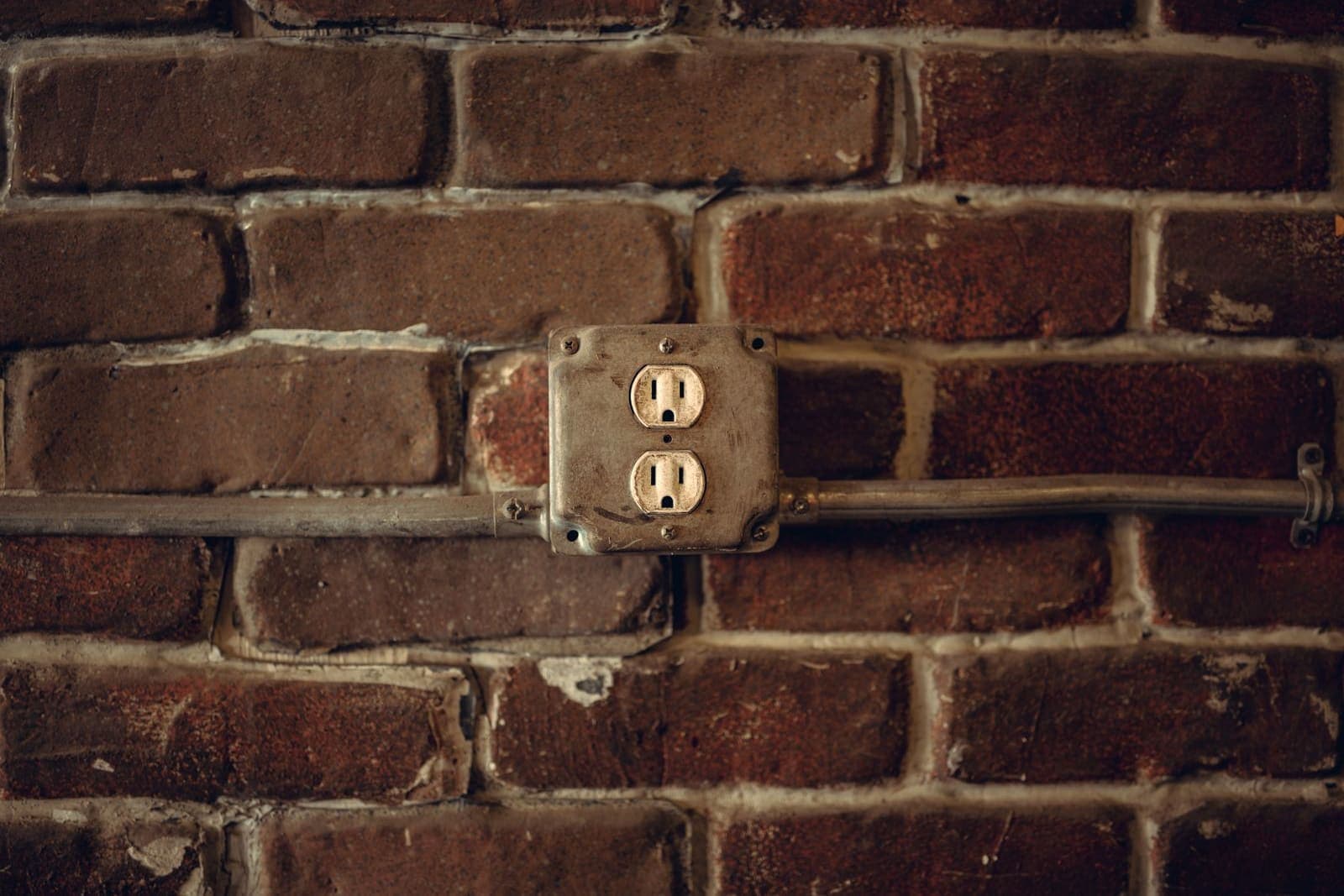
GFCI & AFCI Protection
GFCI devices protect people from shock near water: kitchens, baths, laundry, garages, basements and outdoors.
Learn more →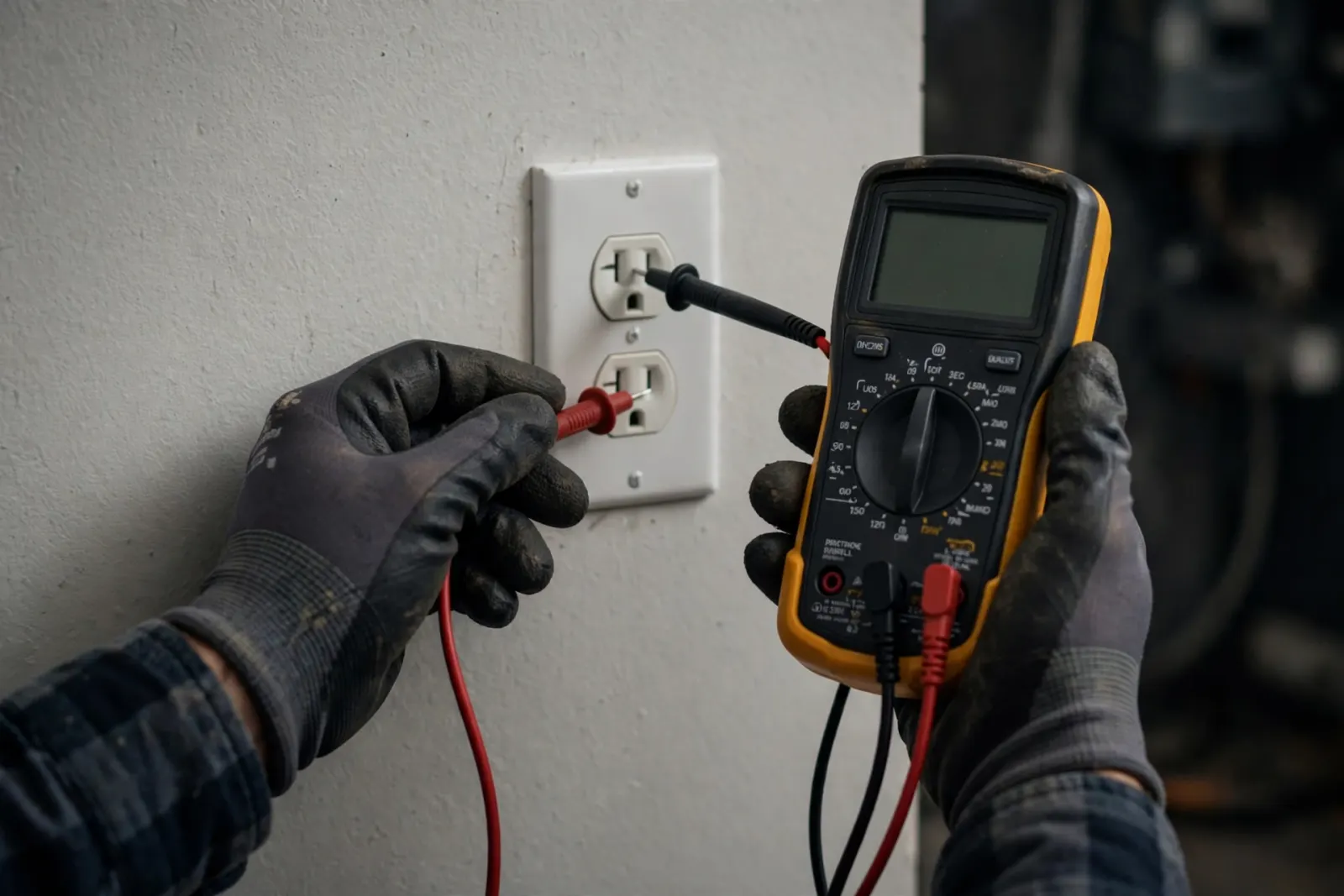
Electrical Repair & Troubleshooting
Dead outlets, flickering lights and tripping breakers usually come from a loose connection, a failed device, an overloaded circuit or a tripped GFCI somewhere upstream.
Learn more →Need help with smoke & co detector installation?
Call now, or send a request and a licensed electrician who serves your ZIP code will contact you.